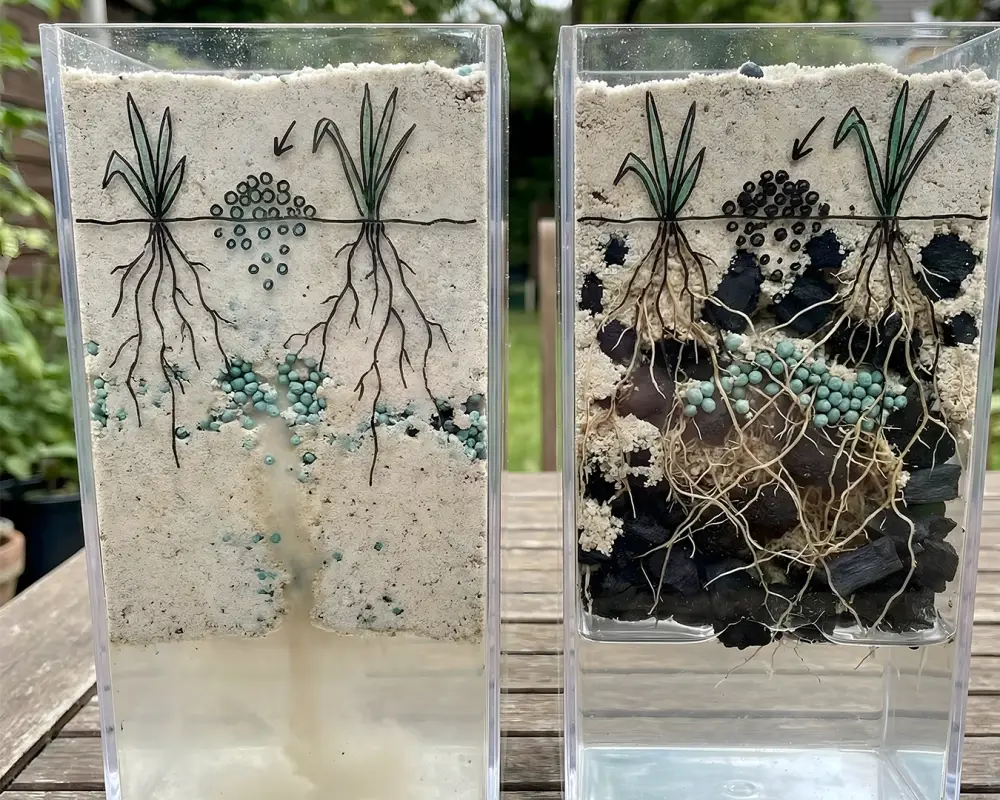
What Is a Biochar Soil Amendment?
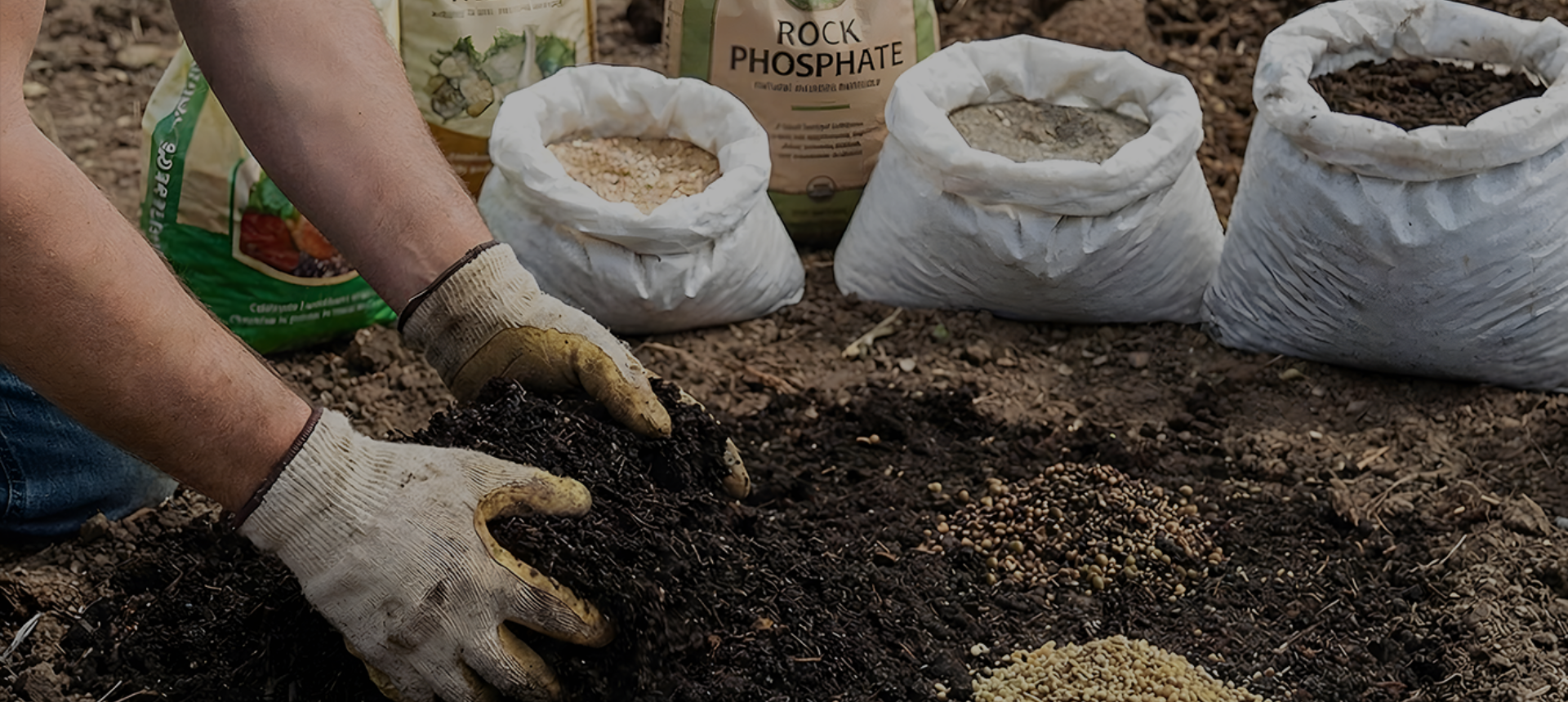
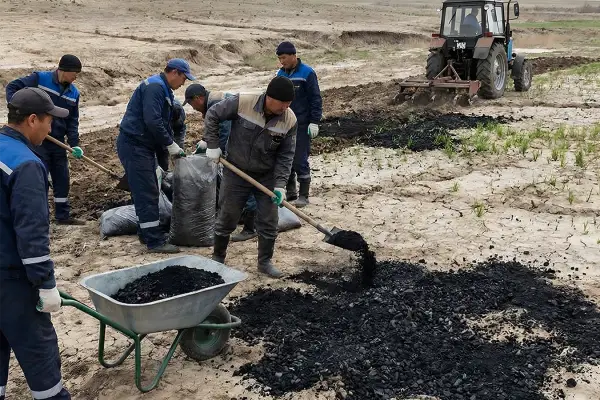
A biochar soil amendment is a carbon-based material added to soil to improve physical, chemical, and biological properties. Unlike fertilizers that dissolve or leach quickly through the soil, biochar remains in place and continues to work year after year.
Biochar is produced from organic biomass under controlled conditions and applied to soil as a conditioner or enhancer. Its porous structure helps retain nutrients, improve moisture balance, and support microbial activity.
When used correctly, biochar acts as both a biochar soil conditioner and a long-term soil stabilizer. It does not replace fertilizer, but it helps fertilizers work more efficiently.
Biochar is increasingly used as an organic biochar soil enhancer in systems where soil health and input efficiency matter more than short-term yield spikes.
Improves Soil Structure
Biochar helps loosen compacted soils and improve aggregation over time.
Supports Nutrient Retention
Nutrients remain available in the root zone rather than leaching away.
Stabilizes Soil pH
Used correctly, biochar for soil pH correction helps correct acidic or imbalanced soils.
Long-Lasting Amendment
Unlike many inputs, biochar remains effective for years after application.
Soil Amendments and Fertilizers That Work With the Soil
Soil amendments are meant to improve what is already there, not mask deeper problems. Farmers and land managers turn to amendments when soil stops behaving the way it should. Water drains too quickly. Nutrients do not stay put. pH drifts out of balance.
Soil Amendments and Fertilizers That Work With the Soil
Soil amendments are meant to improve what is already there, not mask deeper problems. Farmers and land managers turn to amendments when soil stops behaving the way it should. Water drains too quickly. Nutrients do not stay put. pH drifts out of balance.
How Biochar Works as a Soil Enhancer?
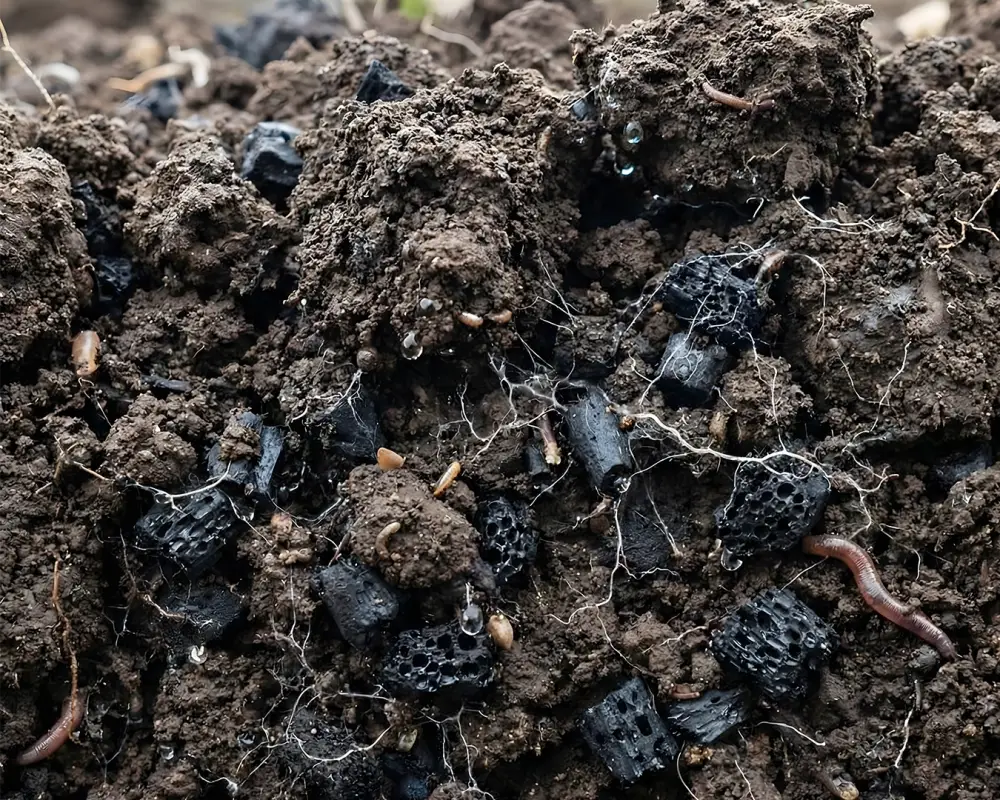
Biochar alters the soil’s physical environment. Its porous structure allows air and water to move. Roots encounter less resistance. Compaction becomes easier to manage.
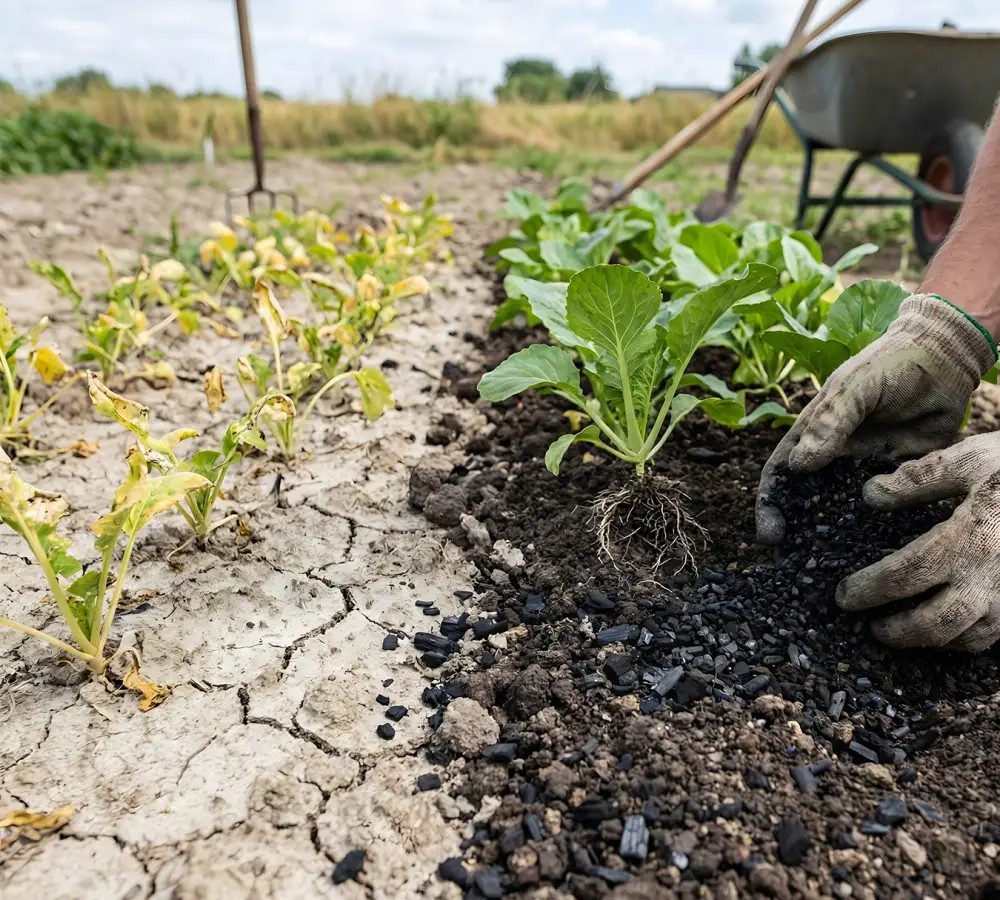
Water behaviour improves first. Soils amended with biochar tend to hold moisture longer without becoming waterlogged. This is especially noticeable in sandy or degraded soils, where water typically drains too quickly.
Nutrients respond next. Biochar holds nutrients on its surface and within its pores. This reduces leaching losses and improves uptake efficiency. Fertilizers applied alongside biochar often show better performance without increasing application rates.
At the biological level, biochar provides a stable habitat for beneficial microbes. This supports healthier soil biology and improves nutrient cycling. Over time, this contributes to more resilient soil systems.
SoilCarb supplies biochar graded for soil use, with controlled particle size and low risk of contaminants. This ensures the material integrates smoothly without interfering with planting or irrigation.
Where Biochar Soil Amendments Are Used?
Row Crops and Field Agriculture
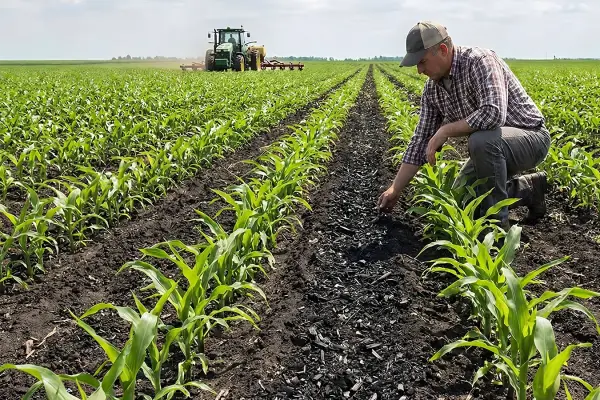
Biochar is used in row cropping systems to improve soil structure and nutrient retention. It supports more efficient fertilizer use and reduces moisture stress during dry periods.
Horticulture and Market Gardening
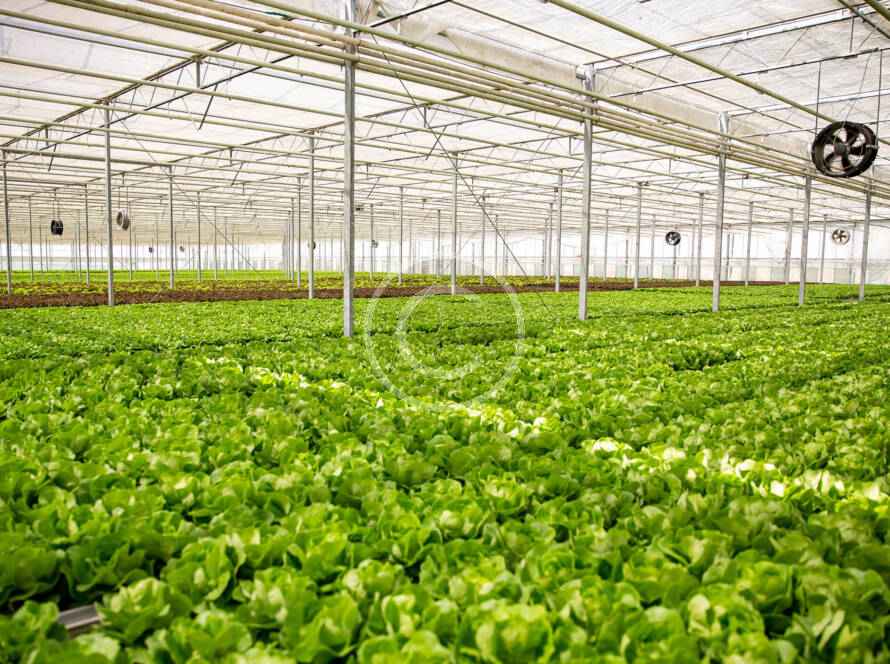
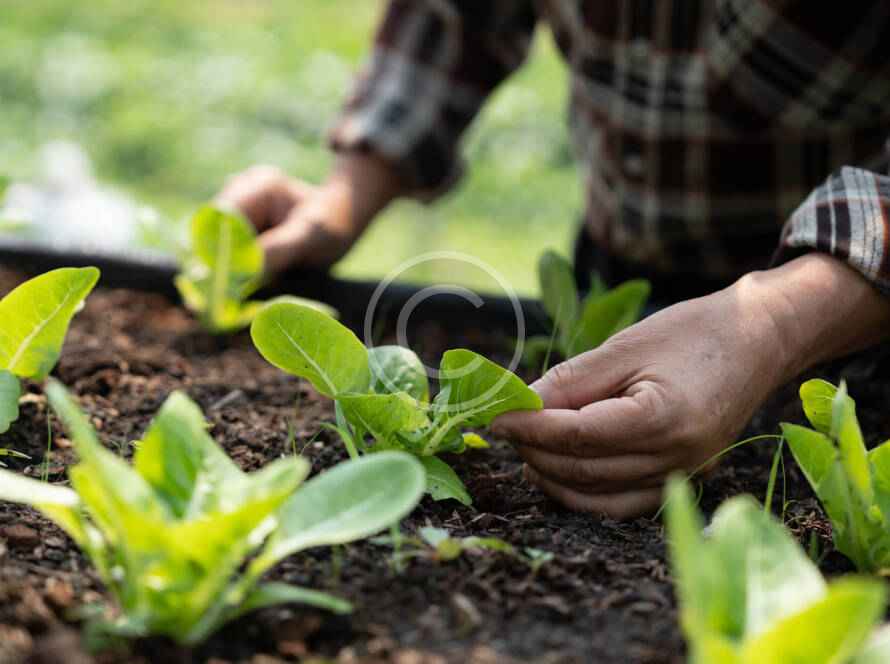
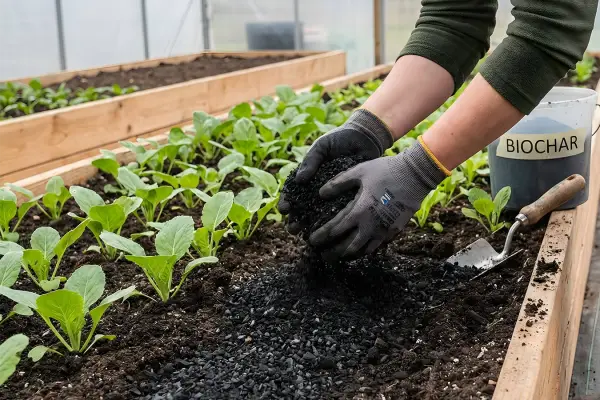
In horticulture, biochar is added to beds and growing media to stabilize moisture and improve root health. Consistent soil conditions are critical for crop quality.
Orchards and Perennial Crops
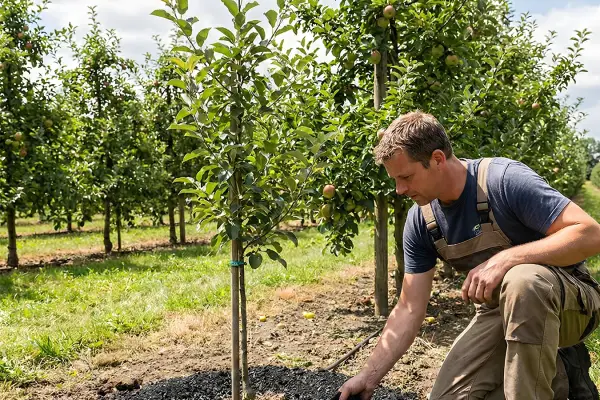
Tree crops benefit from biochar’s permanence. Applied during planting or soil preparation, it supports long-term stability of the root zone.
Pasture and Forage Systems
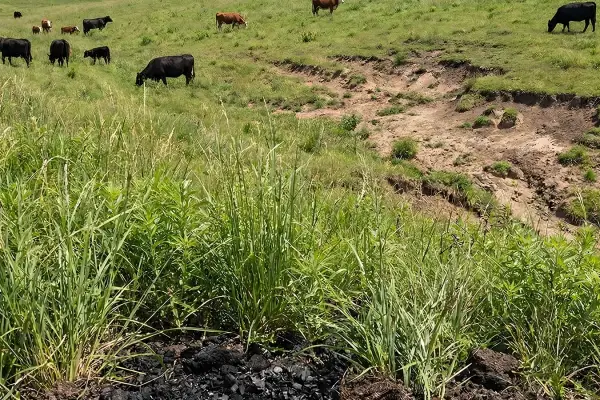
Biochar improves moisture retention and soil resilience in pasture systems. Healthier soils support stronger forage growth and reduce erosion.
Organic and Regenerative Farms
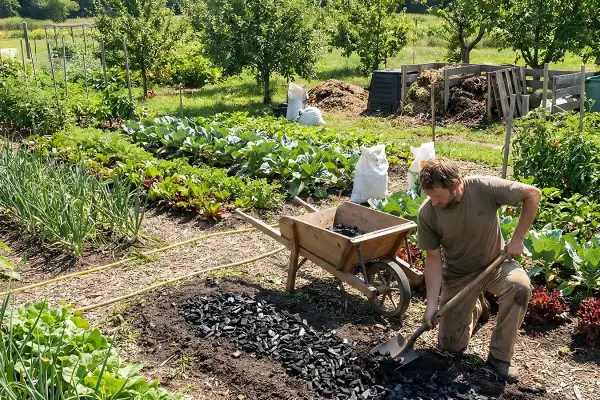
As an organic biochar soil enhancer, biochar fits well into systems that limit synthetic inputs. It improves soil performance naturally.
Land Restoration and Degraded Soils
Biochar is used to rebuild structure and fertility in degraded or compacted soils where conventional amendments fall short.
From Biomass to Soil Amendment Material
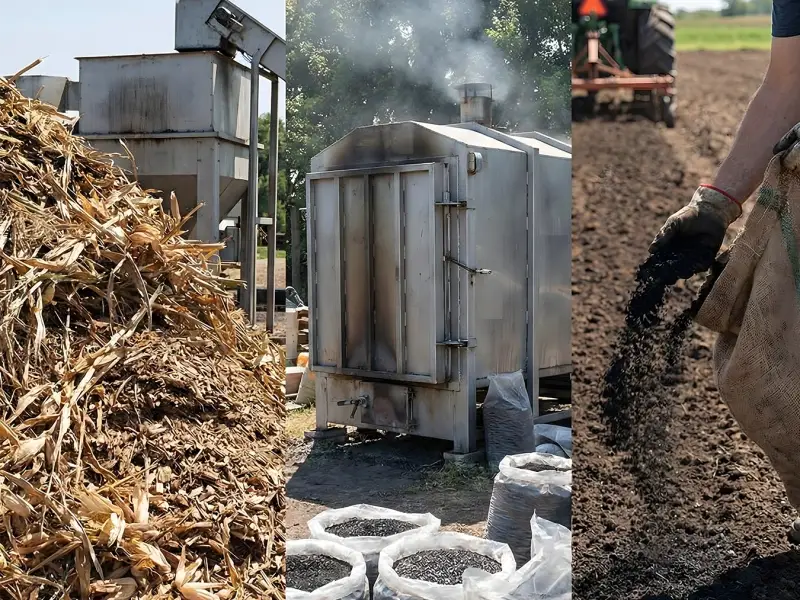
Biochar used in soil amendments is typically produced from agricultural or forestry residues. Crop waste, shells, and organic byproducts are converted into stable carbon through controlled processing.
At SoilCarb, production focuses on agricultural suitability. Feedstocks are selected carefully. Heavy metals are controlled. Particle size is adjusted to ensure even spreading and easy incorporation.
This approach produces a biochar soil enhancer that behaves consistently in the field. It spreads evenly, integrates well, and does not introduce unwanted variability.
Turning waste biomass into soil amendment material also closes nutrient loops within agricultural systems. Carbon that would be lost becomes part of the soil again.
SoilCarb Biochar Soil Amendment Benefits
Long-Term Soil Conditioning
Biochar does not leach out or degrade after one season. Once it is in the soil, it keeps working year after year. Structure improves slowly. Moisture holds better. Soil life becomes more active over time, not just immediately after application.
Improved Fertilizer Efficiency
When fertilizer is applied alongside biochar, nutrients tend to stay where roots can reach them. Less is lost through leaching. Uptake becomes more efficient. This often means existing fertilizer programs work better without increasing application rates.
Supports Soil pH Balance
In soils that are too acidic or unstable, biochar can help moderate conditions. Used correctly, biochar for soil pH correction supports a more balanced root environment, making it easier for crops to access nutrients and establish healthy growth.
What They Say
What we liked most was the consistency of the material. No dust issues and easy to mix into existing soil. We used it for our vegetable beds and saw steadier plant growth through the season.
Austin, Texas, USA

Rachel Turner
Our challenge here is sandy soil and high heat. After adding this biochar, the soil held moisture longer than before. It did not replace fertilizers, but it definitely improved overall soil condition.
Al Ain, Abu Dhabi, UAE

Saeed Al Nuaimi
We tested it inside our greenhouse before committing to bulk use. The soil stayed loose and did not harden after irrigation cycles. The results were stable enough for us to continue using it.
Suwon, Gyeonggi-do, South Korea

Min-Jae Kim
Talk to SoilCarb About Biochar Soil Amendments
If you are exploring biochar as a soil amendment, conditioner, or enhancer, a clear conversation is the best place to start. SoilCarb works with growers and land managers who need reliable material and realistic expectations.
Tell us about your soil type, cropping system, and goals. We will help you assess how biochar soil amendment solutions fit into your fertilizer and conditioning program.
Whether your focus is improving structure, managing pH, or understanding biochar soil amendment cost, we keep the discussion practical and straightforward.