Skip to content Skip to footer
industrial biochar for real-world carbon systems

What Is Industrial Biochar?

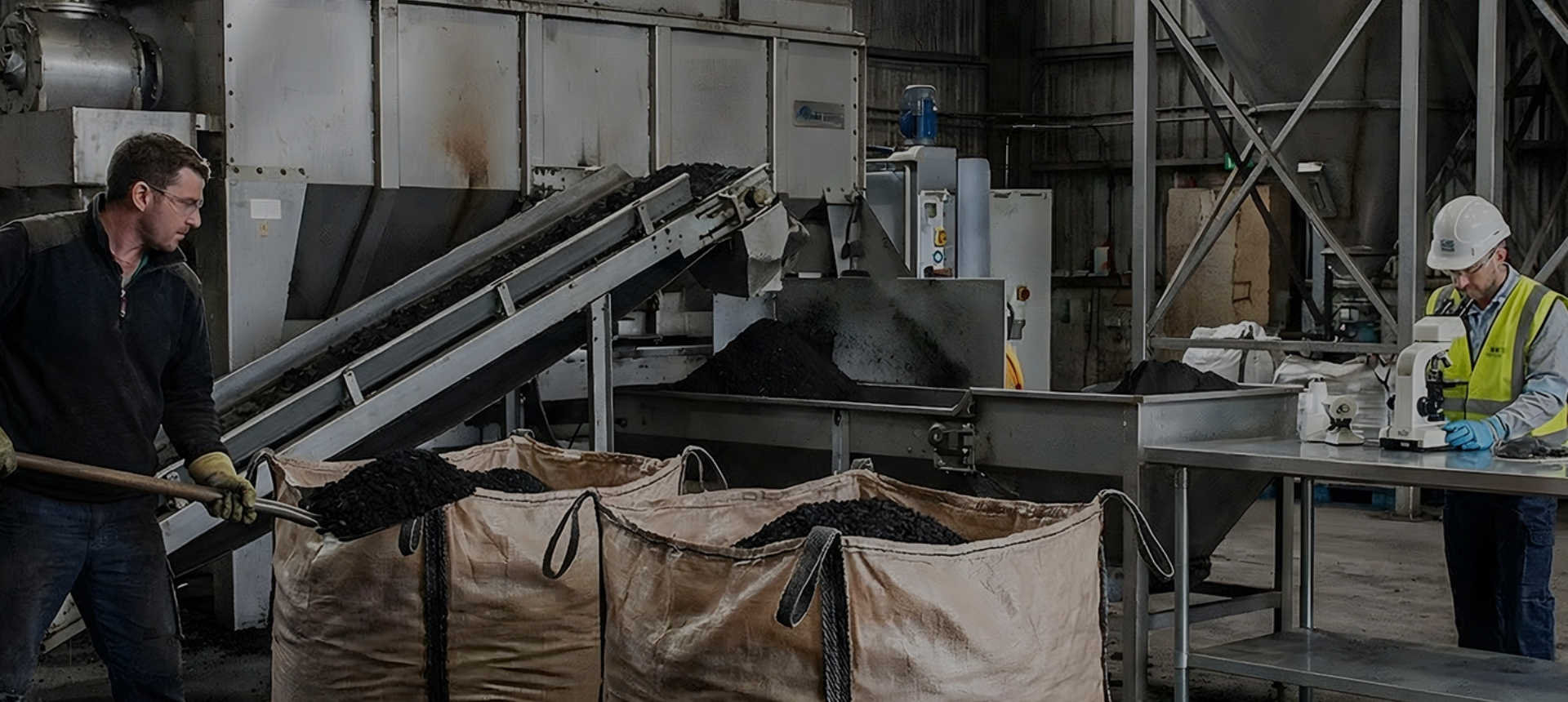
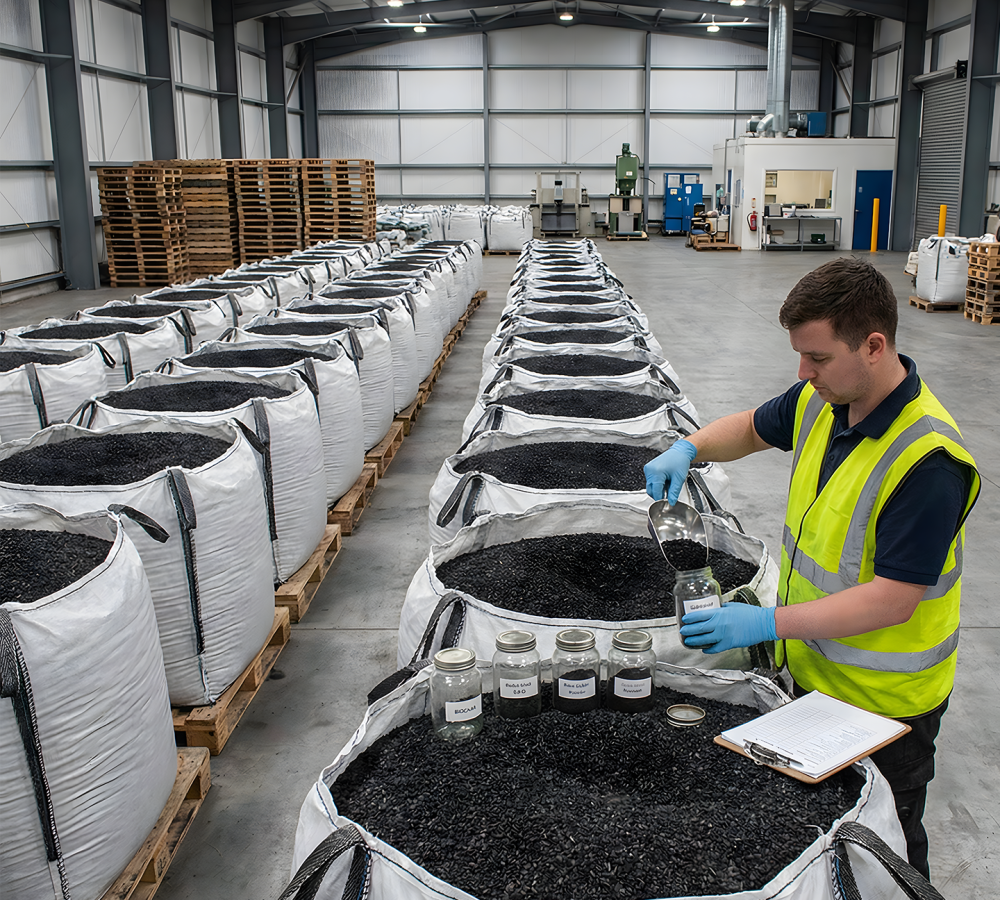
Industrial biochar is a carbon-rich material produced from biomass under controlled, low-oxygen conditions. Unlike general biochar, it is made to meet defined specifications and perform consistently across commercial and industrial systems.

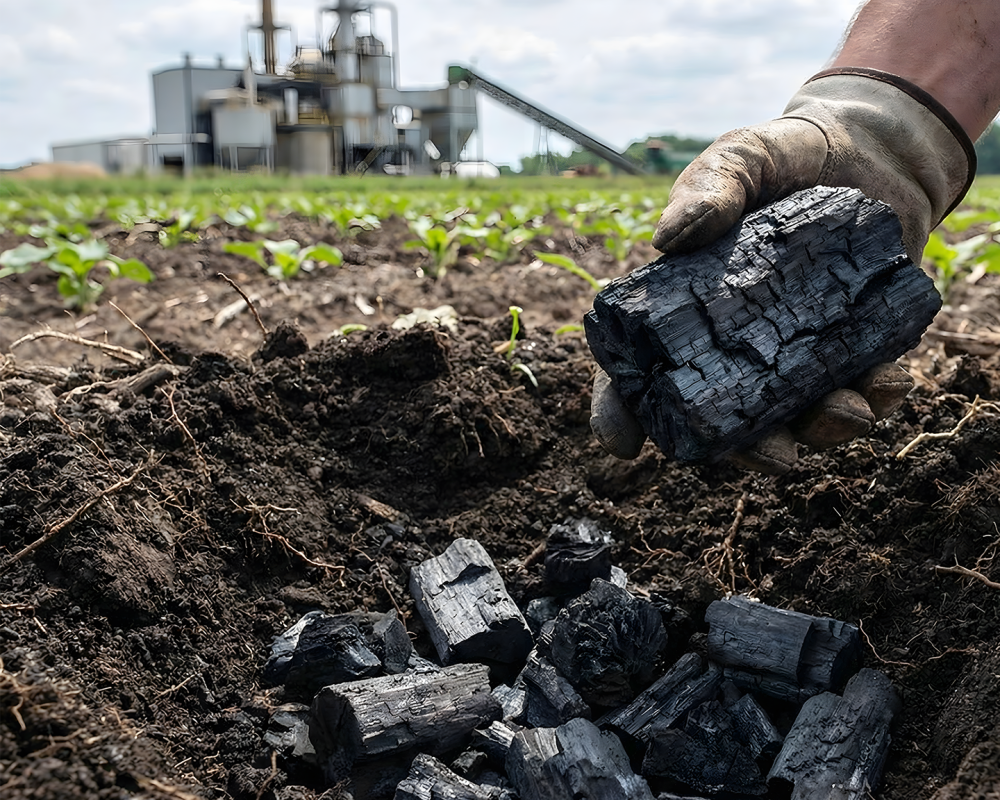
It is used where stability, structure, and repeatability matter. From soil recovery and remediation projects to industrial carbon inputs and long-term sequestration, industrial biochar supports applications that operate at scale and require traceable, tested material.

Stable Carbon Structure

Remains intact over long periods and supports biochar for carbon sequestration in soil and industrial environments.

High Surface Area

Captures and holds nutrients, metals, and compounds, making it effective for biochar soil remediation and filtration uses.

Predictable Performance

Produced under controlled conditions so properties remain consistent across batches, supporting industrial deployment without variability.

Supports Carbon-Focused Systems

Used in industrial carbon soil amendment solutions and carbon soil regeneration solutions where long-term outcomes are required.

Industrial Biochar For Real-World Carbon Systems

Industrial biochar is not a byproduct. It is a purpose-built carbon material designed for performance across soil, environmental, and industrial systems. SoilCarb operates in this space with one focus. We aim to supply industrial-grade biochar that performs consistently, arrives tested, and fits into commercial systems without guesswork. 

Industrial Biochar For Real-World Carbon Systems

Industrial biochar is not a byproduct. It is a purpose-built carbon material designed for performance across soil, environmental, and industrial systems. SoilCarb operates in this space with one focus. We aim to supply industrial-grade biochar that performs consistently, arrives tested, and fits into commercial systems without guesswork. 

Structural Properties of Industrial Biochar

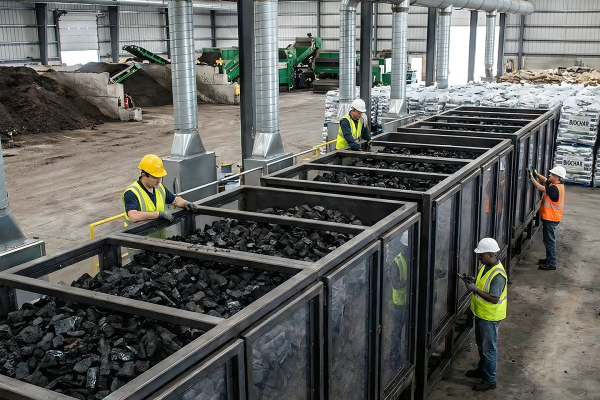
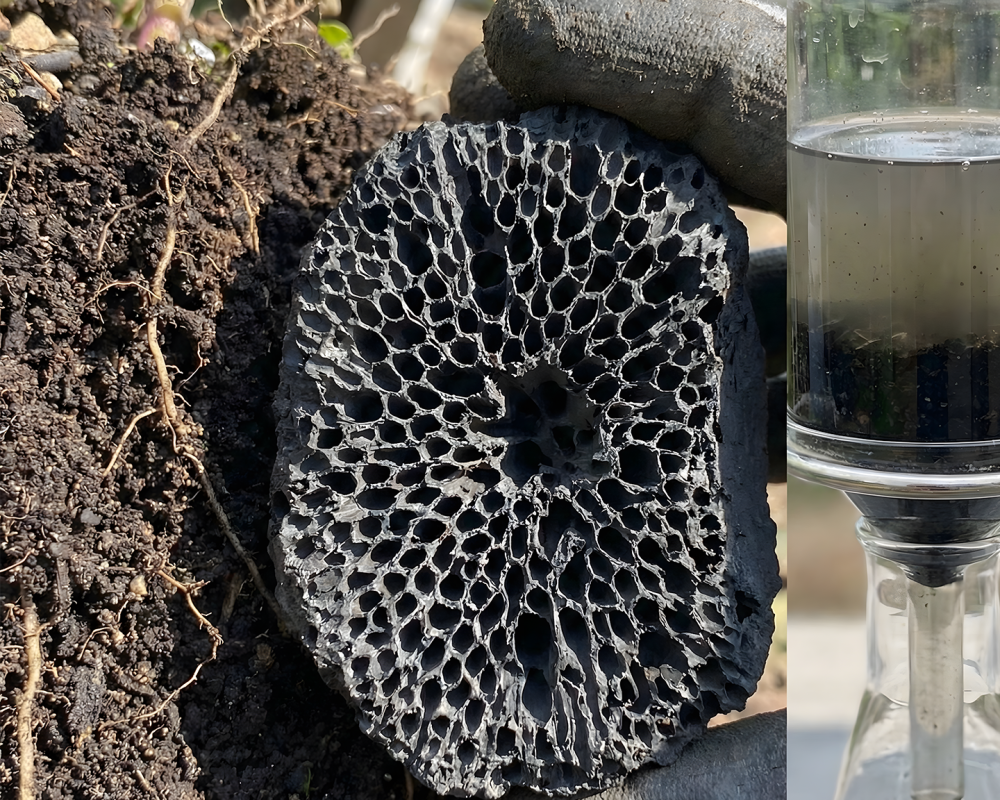
Industrial biochar is valued for its internal structure as much as its carbon content. Its porous network creates space for interaction with nutrients, moisture, microbes, and contaminants. When produced under controlled conditions, this structure stays consistent, allowing the material to perform predictably across large-scale applications.

SoilCarb supplies industrial biochar that is selected and graded with this performance in mind. Feedstock choice, processing parameters, and particle sizing all influence how biochar behaves once applied. In soil systems, this translates into improved nutrient retention and support for long-term soil recovery. In remediation contexts, it supports adsorption and stabilisation where soils have been stressed or degraded.

For projects focused on carbon outcomes, structure matters just as much as stability. Industrial biochar used for carbon sequestration must remain intact over time while integrating seamlessly into existing systems. This balance between durability and functionality is what allows biochar to move beyond experimental use and into repeatable carbon soil regeneration solutions.

Material consistency is critical at this scale. That is why SoilCarb works with specification-graded biochar designed for practical deployment, not assumptions. When buyers plan applications tied to soil remediation or carbon offset strategies, they need materials that perform the same way today as they will in months or years.

Where Industrial Biochar Is Used

WATER & WASTEWATER TREATMENT

WATER & WASTEWATER TREATMENT

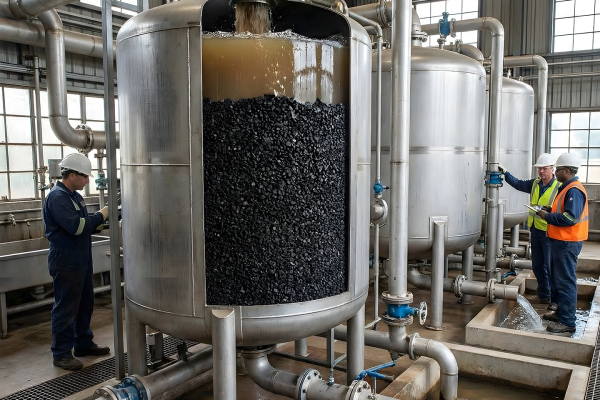
In water treatment, biochar is used because its structure enables it to trap metals, residual chemicals, and other contaminants from industrial wastewater. Many operators use it as a cost-effective sorbent where performance matters more than theory, especially in remediation-heavy systems.

CONSTRUCTION & BUILDING MATERIALS

CONSTRUCTION & BUILDING MATERIALS

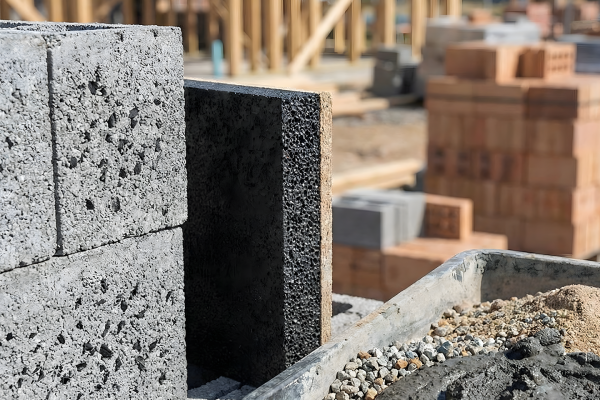
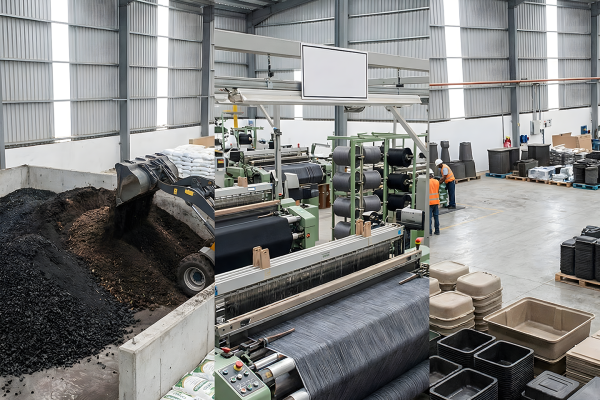
Biochar is now finding its place in concrete mixes, blocks, and insulation products. It improves thermal performance and can reduce the overall carbon footprint of building materials. For manufacturers, this opens up practical routes to lower-impact construction without changing core processes.

ENERGY STORAGE & ELECTRONICS

ENERGY STORAGE & ELECTRONICS

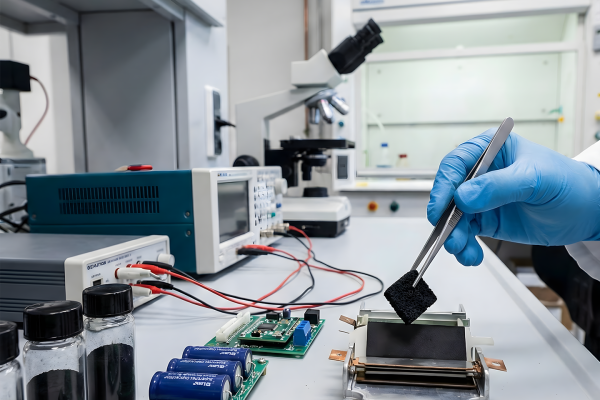
Some energy and electronics manufacturers use biochar for its surface area and conductivity. It appears in battery components, supercapacitors, and as a support material in energy systems. In these cases, biochar for carbon sequestration becomes a secondary benefit alongside material performance.

METALLURGY & INDUSTRIAL CARBON USE

METALLURGY & INDUSTRIAL CARBON USE

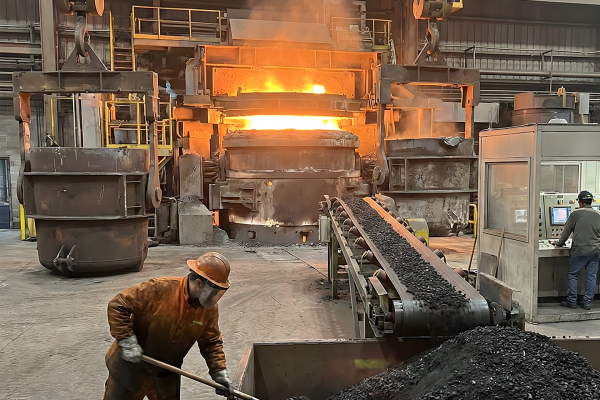
In metallurgy, biochar is increasingly considered as a renewable carbon source. It can partially replace fossil-based carbon in steel and silicon production. This shift supports lower emissions while keeping processes familiar for operators working at scale.

AIR QUALITY & ODOUR CONTROL

AIR QUALITY & ODOUR
CONTROL

Biochar is used in air filtration and odour control where adsorption is required over long periods. It appears in waste facilities, ventilation systems, and even functional materials where moisture and odour control are needed. These uses also support broader materials for carbon offsetting goals.

AGRICULTURE, TEXTILES & BIO-BASED PRODUCTS

AGRICULTURE, TEXTILES & BIO-BASED PRODUCTS

At an industrial level, biochar supports fertiliser blends, feed applications, and soil systems that aim for stability over time. It is also used in textile products for breathability and odour control. These applications connect carbon soil regeneration solutions with everyday products.

Low-Emission Carbon Production

Low-Emission Carbon Production

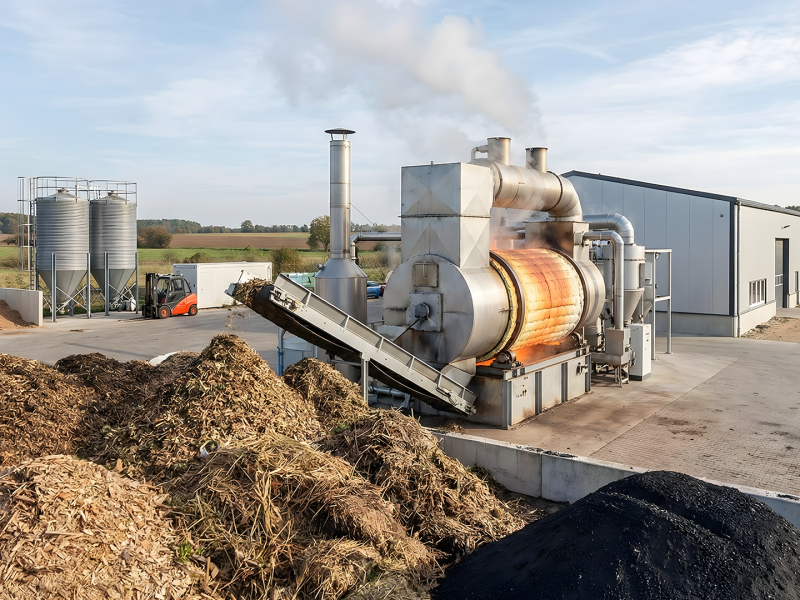
Most carbon materials still come from processes that waste energy and release emissions before the product even reaches the market. That approach no longer makes sense. Industrial biochar offers a different path. It starts with waste biomass and turns it into a stable carbon material with real value across soil, environmental, and industrial systems.

At SoilCarb, green carbon is not a label. It is a process decision. Feedstocks are chosen carefully. Production conditions are controlled. Emissions are reduced at the source. The result is industrial biochar that delivers performance while locking carbon into a solid, long-lasting form.

This approach supports practical carbon reduction without disrupting existing operations. Waste becomes input. Carbon stays stable. Materials work as intended. For industries under pressure to reduce impact while maintaining output, this balance matters more than promises.

SoilCarb Industrial Biochar Key Benefits

Long-Term Carbon Stability

Industrial biochar holds carbon in a stable form. This makes it suitable for biochar for carbon sequestration, where permanence matters more than quick results or short-term gains.

Consistent, Specification-Grade Supply

High Surface Area for Active Performance

The internal pore structure allows biochar to interact with nutrients, metals, and compounds efficiently. This is why it performs well in biochar soil remediation and industrial filtration systems.

Consistent, Specification-Grade Supply

SoilCarb sources and supplies biochar with defined properties and repeatable quality. Buyers know what they are getting, batch after batch, which is critical for industrial deployment.

Long-Term Carbon Stability
High Surface Area for Active Performance
testimonials

What They Say

What we liked most was the consistency of the material. No dust issues and easy to mix into existing soil. We used it for our vegetable beds and saw steadier plant growth through the season.

Austin, Texas, USA

Rachel Turner

Rachel Turner

Experts

Our challenge here is sandy soil and high heat. After adding this biochar, the soil held moisture longer than before. It did not replace fertilizers, but it definitely improved overall soil condition.

Al Ain, Abu Dhabi, UAE

Saeed Al Nuaimi

Saeed Al Nuaimi

Experts

We tested it inside our greenhouse before committing to bulk use. The soil stayed loose and did not harden after irrigation cycles. The results were stable enough for us to continue using it.

Suwon, Gyeonggi-do, South Korea

Min-Jae Kim

Min-Jae Kim

Experts
Contact Us

Talk to SoilCarb About Industrial Biochar

If you are exploring biochar for industrial use, carbon programs, or large-scale soil applications, the right starting point is a clear conversation. SoilCarb works with buyers who need tested material, a consistent supply, and practical answers, not generic claims.

Tell us what you are working on. We will help you assess suitability, specifications, and supply options based on real use cases. Whether the focus is soil systems, remediation, or carbon outcomes, we keep the discussion grounded and straightforward.