Skip to content Skip to footer
Granular Activated Carbon

What is Granular Activated Carbon?

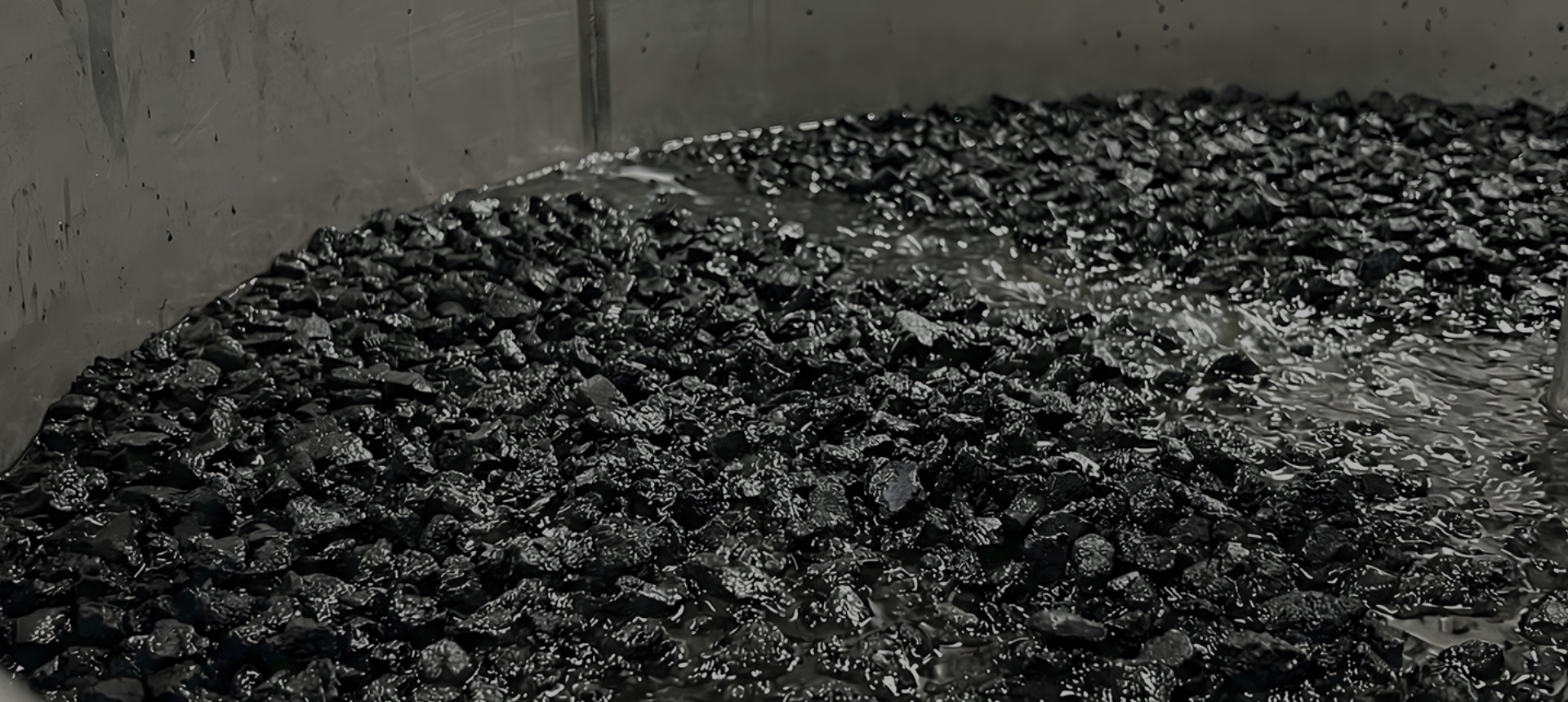
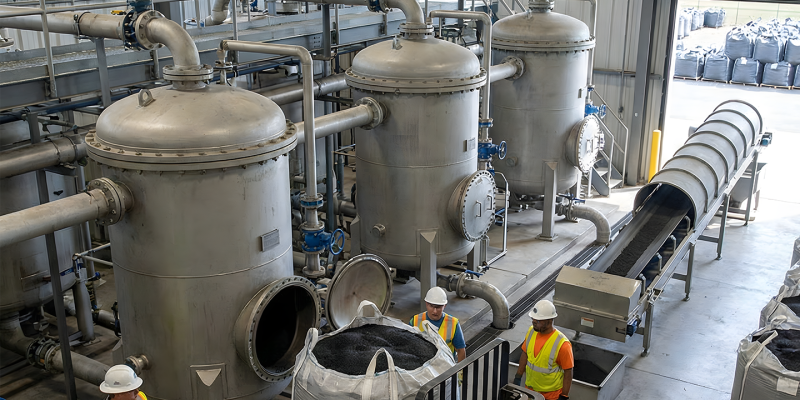
Granular activated carbon is produced through controlled activation and grading to achieve specific particle sizes. Unlike powdered carbon, it remains in fixed beds within a granular activated carbon filter or granular activated carbon water filter system.

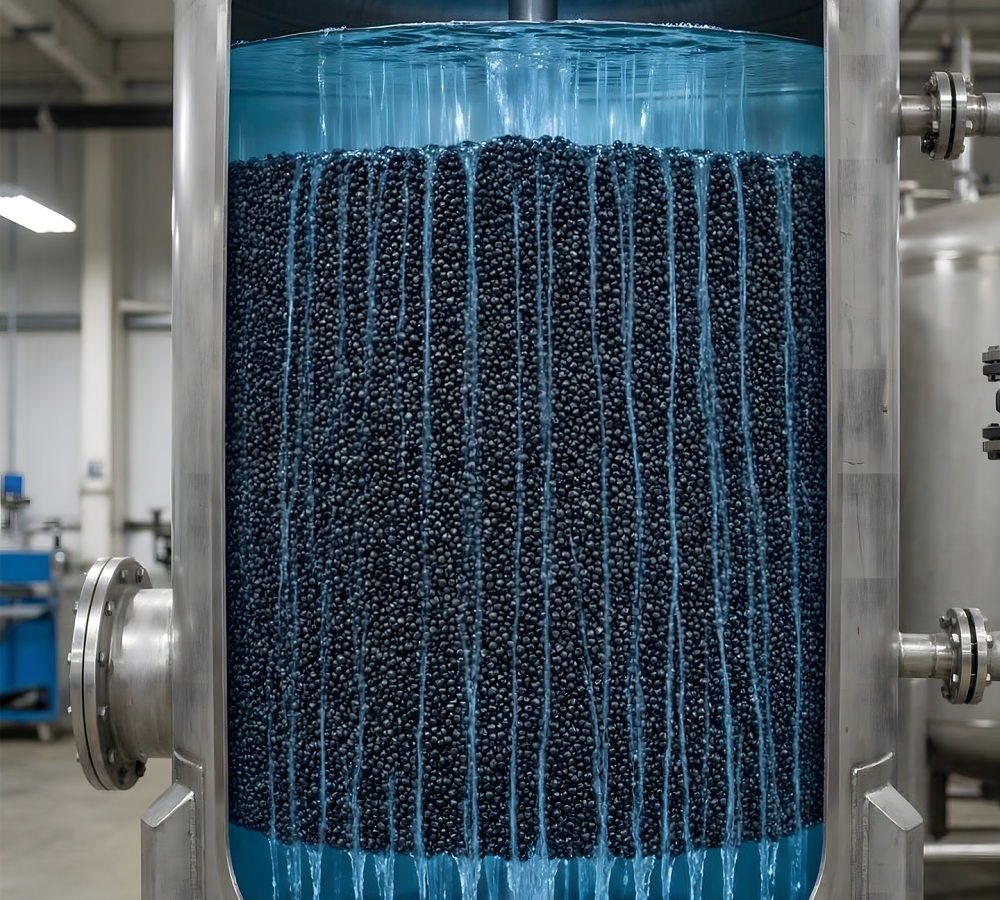
Its structure supports effective adsorption of organic compounds, chlorine, odours, and emerging contaminants. In granular activated carbon water treatment applications, longer contact time improves removal efficiency. This makes it suitable for drinking water plants, industrial process water, and wastewater polishing.

The structure of activated carbon granules matters. Hardness affects durability. Pore distribution affects adsorption. Particle grading affects the pressure drop inside a granular activated carbon filter.

Fixed-Bed Stability

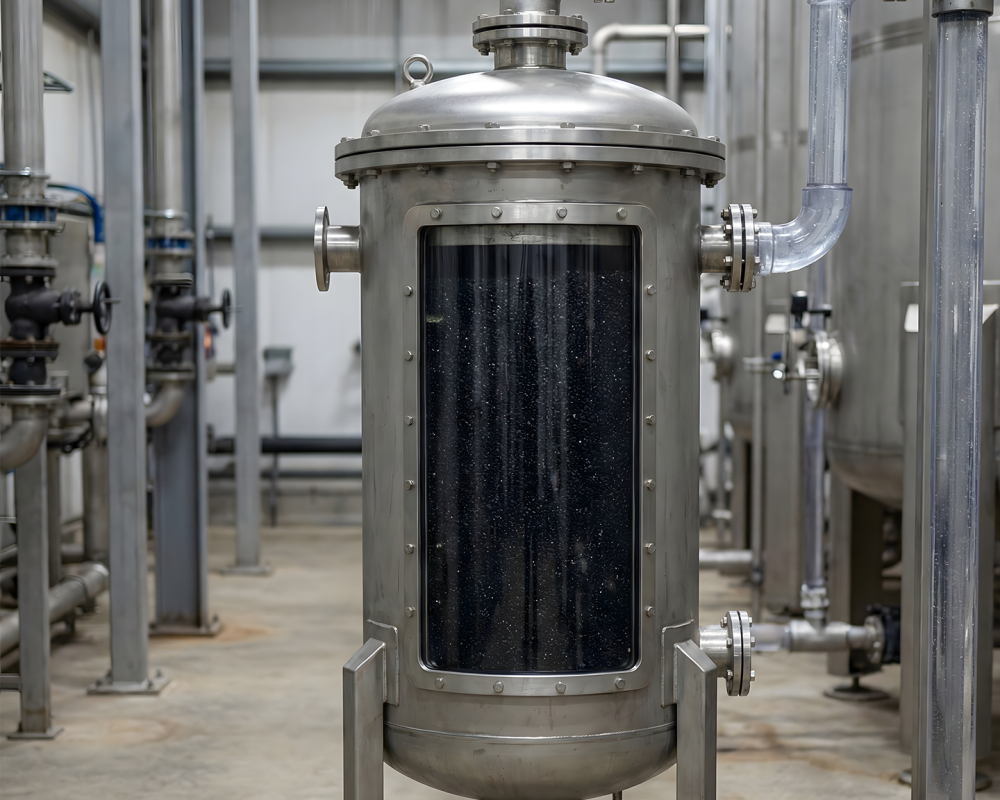
Granular activated carbon remains stable inside filtration vessels, supporting consistent performance without frequent material breakdown.

Balanced Flow Performance

Its particle size supports steady hydraulic flow in granular activated carbon water filtration systems.

Broad Contaminant Removal

Granular activated carbon water treatment targets chlorine, organics, odour, and selected emerging compounds.

Long Operational Cycles

Designed for extended use in granular activated carbon filtration systems with manageable replacement intervals.

Granular Activated Carbon

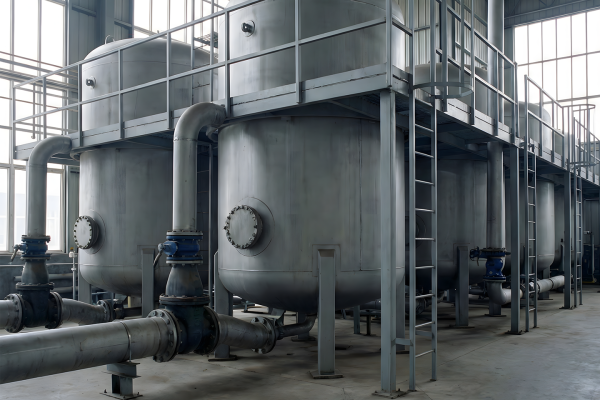
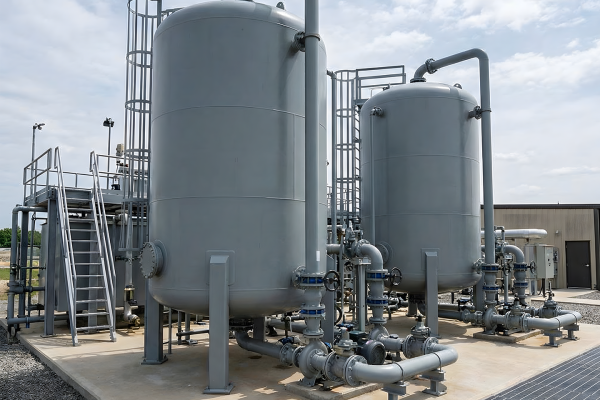
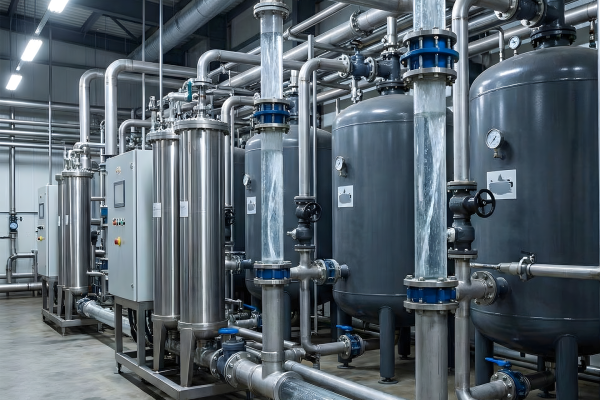
Granular activated carbon is the workhorse of long-term filtration systems. It sits inside vessels, columns, and tanks where water flows through steadily, hour after hour. Unlike powdered carbon, it stays in place. It works quietly in the background.

Granular Activated Carbon

Granular activated carbon is the workhorse of long-term filtration systems. It sits inside vessels, columns, and tanks where water flows through steadily, hour after hour. Unlike powdered carbon, it stays in place. It works quietly in the background.

Performance Characteristics of Granular Activated Carbon

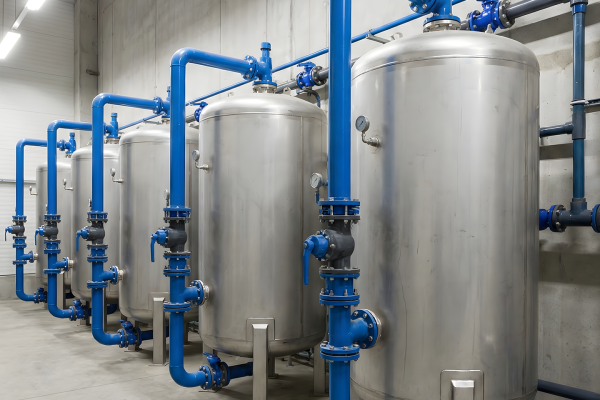
The strength of granular activated carbon lies in its ability to function inside fixed columns. Once installed in a granular activated carbon water filter system, it remains in place while water flows through the bed.

Particle size and hardness influence how the media behaves under pressure. Stronger granules reduce attrition, limiting fines formation during operation. This supports stable granular activated carbon filtration performance over time.

Surface area and pore distribution determine adsorption efficiency. In granular activated carbon PFAS applications, proper grade selection is critical to achieving regulatory targets.

Backwashing capability also plays a role. Granular activated carbon must withstand hydraulic cleaning cycles without excessive material loss. For operators, durability directly impacts operating cost and replacement frequency.

Granular Activated Carbon Applications

Municipal Drinking Water

Municipal Drinking Water

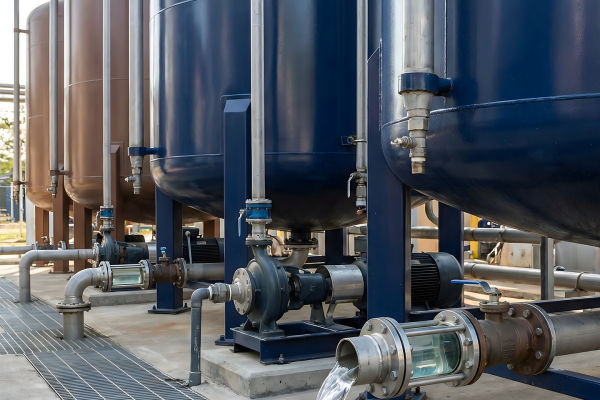
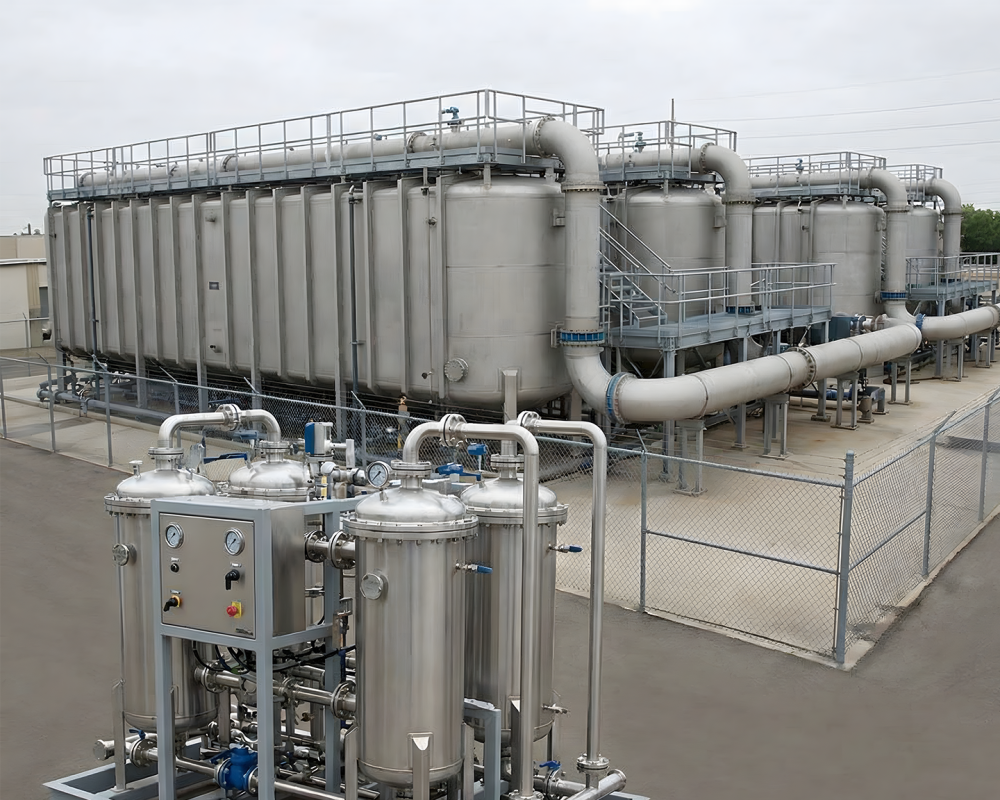
Granular activated carbon water filter installations are widely used in municipal plants to improve taste, odour, and chlorine removal.

PFAS Treatment Systems

PFAS Treatment Systems

Granular activated carbon for PFAS removal is used in regulated environments addressing emerging contamination concerns.

Industrial Process Water

Industrial Process Water

Manufacturing facilities apply granular activated carbon water treatment to protect product quality and equipment.

Wastewater Polishing

Wastewater Polishing

Granular activated carbon filtration reduces residual organic load before discharge or reuse.

Commercial Water Systems

Commercial Water Systems

Granular activated carbon GAC filter systems are installed in buildings requiring dependable water purification.

Pre & Post-Treatment Stages

Pre & Post-Treatment Stages

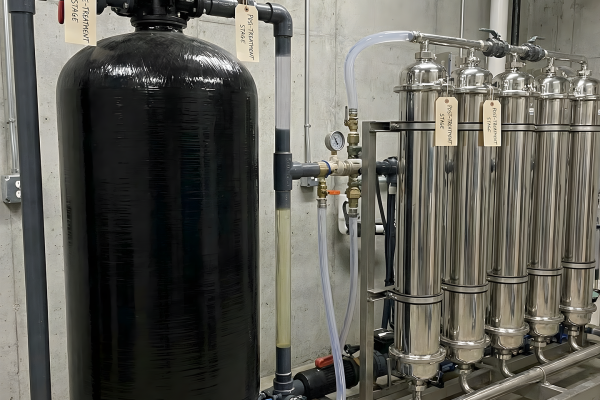
Granular activated carbon water filtration systems are often integrated before membrane or polishing units.

Granular Activated Carbon for Reliable Long-Term Supply

Granular Activated Carbon for Reliable Long-Term Supply

Granular activated carbon is part of infrastructure planning. Replacement cycles are scheduled. Maintenance windows are fixed. Procurement is rarely impulsive.

SoilCarb works with established granular activated carbon suppliers to provide defined particle sizing, hardness levels, and adsorption standards. Consistency across shipments supports maintenance planning and operational confidence.

For facilities running granular activated carbon water filtration systems, steady sourcing reduces uncertainty. When performance, compliance, and continuity are linked, supply stability becomes a priority.

Performance Advantages of Granular Activated Carbon

Reliable Fixed-Bed Operation

Granular activated carbon maintains structural integrity during extended filtration cycles.

Predictable Hydraulic Behaviour

Scalable Treatment Capacity

Granular activated carbon GAC systems operate effectively across small and large treatment volumes.

Predictable Hydraulic Behaviour

Consistent grading supports even flow distribution in granular activated carbon filter systems.

Reliable Fixed-Bed Operation
Scalable Treatment Capacity
testimonials

What They Say

What we liked most was the consistency of the material. No dust issues and easy to mix into existing soil. We used it for our vegetable beds and saw steadier plant growth through the season.

Austin, Texas, USA

Rachel Turner

Rachel Turner

Experts

Our challenge here is sandy soil and high heat. After adding this biochar, the soil held moisture longer than before. It did not replace fertilizers, but it definitely improved overall soil condition.

Al Ain, Abu Dhabi, UAE

Saeed Al Nuaimi

Saeed Al Nuaimi

Experts

We tested it inside our greenhouse before committing to bulk use. The soil stayed loose and did not harden after irrigation cycles. The results were stable enough for us to continue using it.

Suwon, Gyeonggi-do, South Korea

Min-Jae Kim

Min-Jae Kim

Experts
Contact Us

Talk to SoilCarb About Your Granular Activated Carbon Requirements

If you are evaluating granular activated carbon for water treatment, PFAS control, or filtration upgrades, the first step is to understand the system requirements. Flow rate, bed depth, contamination profile, and regeneration strategy all influence grade selection.

Share the details of your granular-activated-carbon water filtration system and your expectations for replacement. We will help review media suitability and supply options.

Whether you are comparing granular activated carbon suppliers or planning a new GAC installation, we keep the discussion straightforward and focused.