
Skip to content Skip to footer
biochar for livestock and feed systems

What Is Feed-Grade Industrial Biochar?

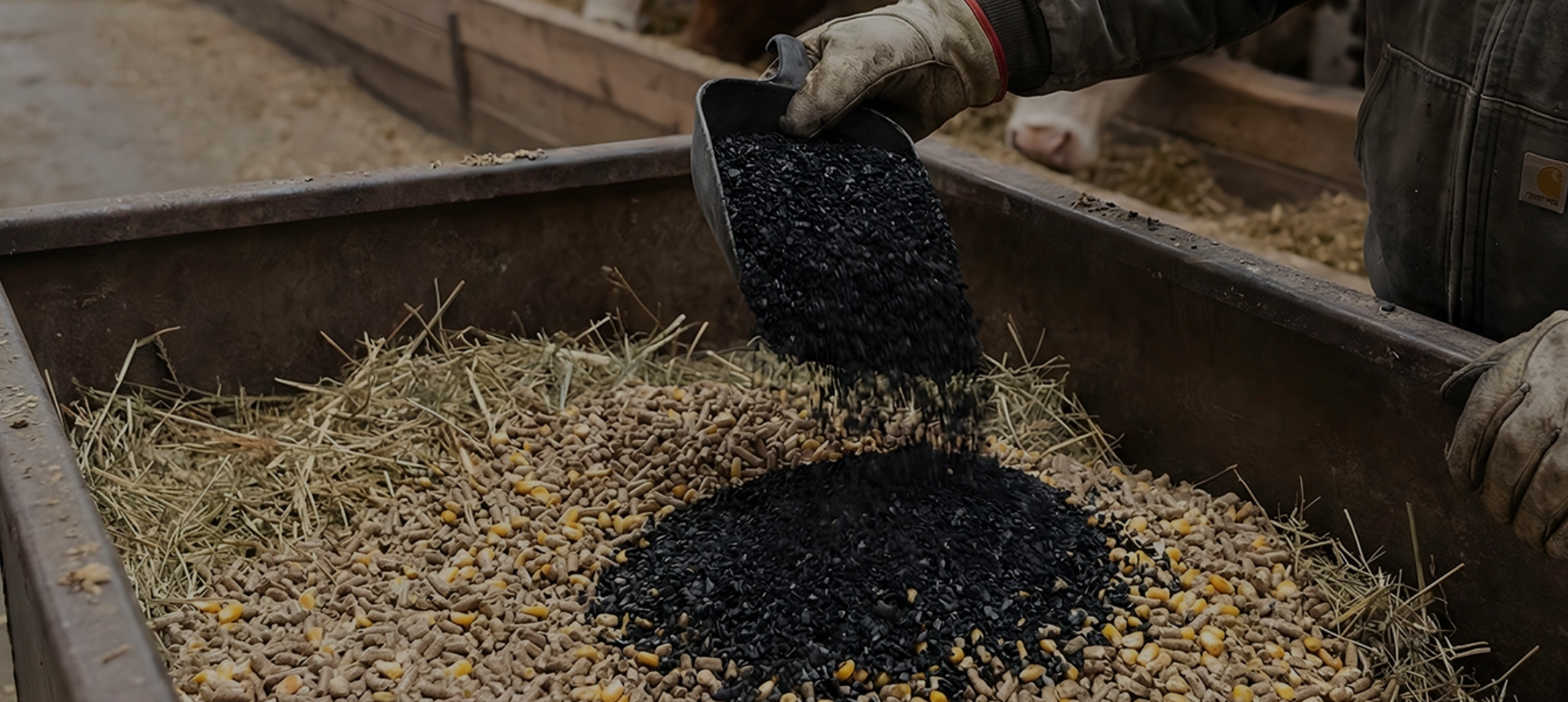
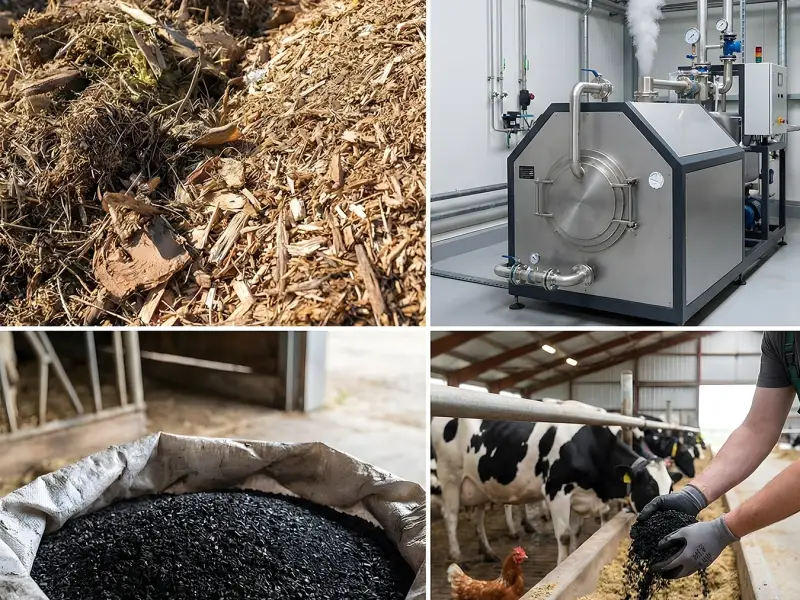
Feed-grade industrial biochar is a carbon-rich material produced from biomass under controlled, low-oxygen conditions and refined specifically for livestock and feed applications. Unlike general biochar, it is processed and screened to meet defined safety and performance expectations.

It is used where digestive balance, adsorption capacity, and repeatability matter. From ruminant feed programs to poultry and aquaculture systems, feed-grade biochar supports applications that operate at scale and require documented, traceable material.

Stable Carbon Structure

Remains intact through digestion and supports controlled use of biochar in animal feed without breakdown or loss of function.

High Surface Area

Provides adsorption capacity within the digestive system, supporting toxin binding and feed consistency, a key reason it is used as a biochar feed supplement.

Predictable Performance

Produced under controlled conditions so particle size, purity, and behaviour remain consistent across batches.

Supports Emission-Focused Feeding Systems

Used in livestock programs exploring methane reduction biochar as part of broader feed and emission management strategies.

Biochar for Livestock and Feed Systems

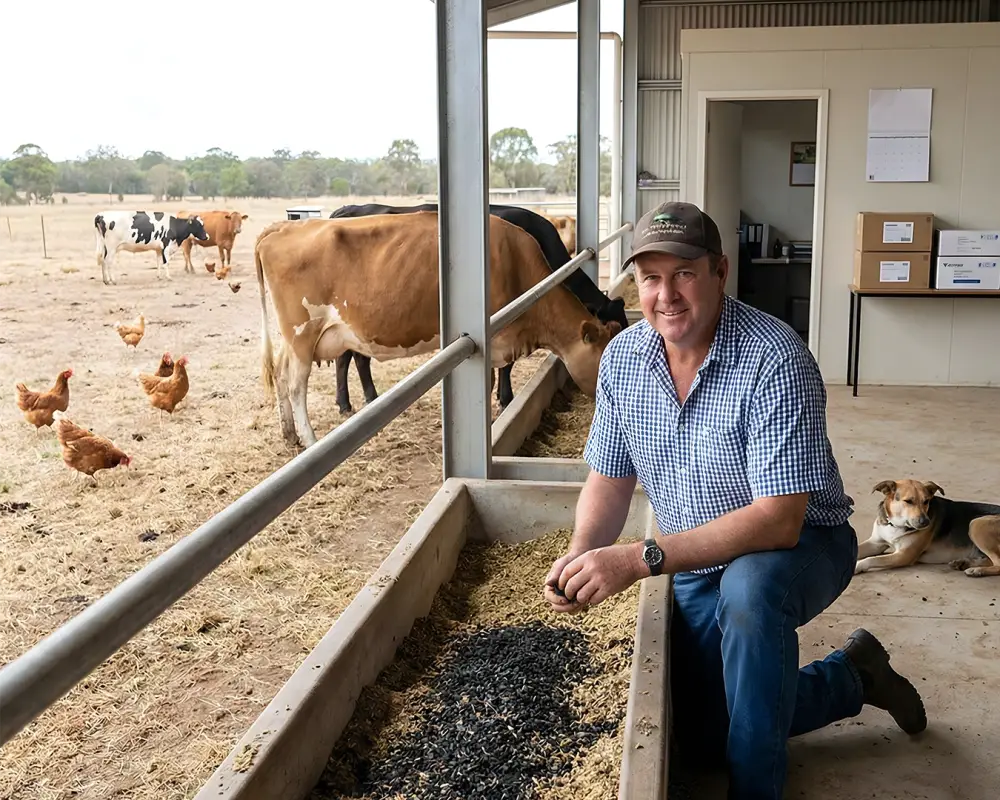
Biochar used in animal feed is not a trend product. It is a functional carbon material designed to support digestive stability, feed efficiency, and emission control in modern livestock systems. SoilCarb works in this space with a practical focus. Supplying feed-grade biochar that is consistent, tested, and suitable for integration into commercial animal nutrition programs.

Biochar for Livestock and Feed Systems

Biochar used in animal feed is not a trend product. It is a functional carbon material designed to support digestive stability, feed efficiency, and emission control in modern livestock systems. SoilCarb works in this space with a practical focus. Supplying feed-grade biochar that is consistent, tested, and suitable for integration into commercial animal nutrition programs.

Biochar in Feed, Bedding, and Animal Care Systems

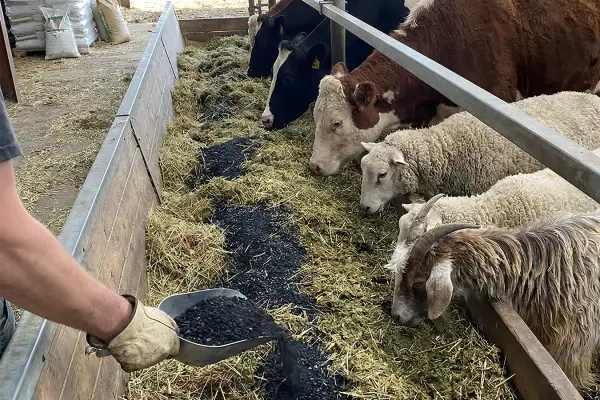
Biochar plays a role beyond feed alone. When added to livestock feed, bedding, or litter systems, it helps bind unwanted compounds, reduce odours, and support healthier living conditions for animals. This comes from biochar’s porous structure, which captures toxins while still allowing beneficial microbes to exist.

In feed use, biochar supports digestive stability without forcing changes to existing rations. In bedding and stable environments, it helps manage moisture and ammonia levels. Over time, these small improvements become noticeable. Animals appear calmer. Housing stays cleaner. Daily care becomes easier to manage.

For farms and animal care systems focused on steady, long-term outcomes, biochar offers a simple input that fits into routine operations. SoilCarb supplies feed-grade biochar designed for these uses, sourced and processed with animal safety, consistency, and practical application in mind.

Where Feed-Grade Biochar Is Used?

livestock feed systems

Livestock Feed Systems

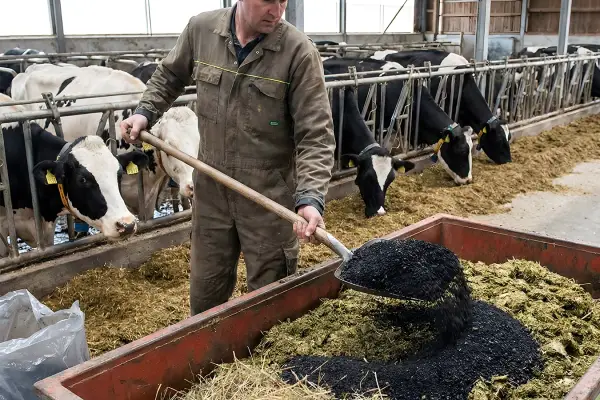
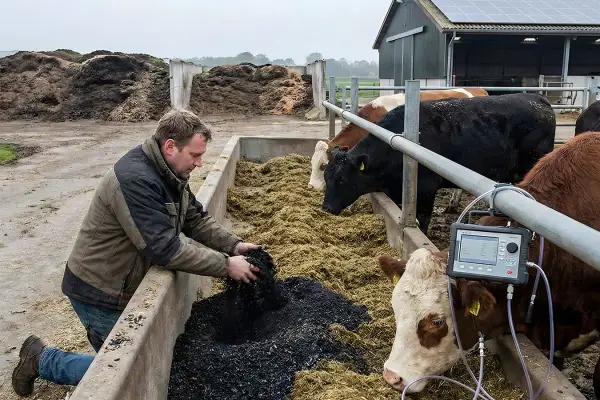
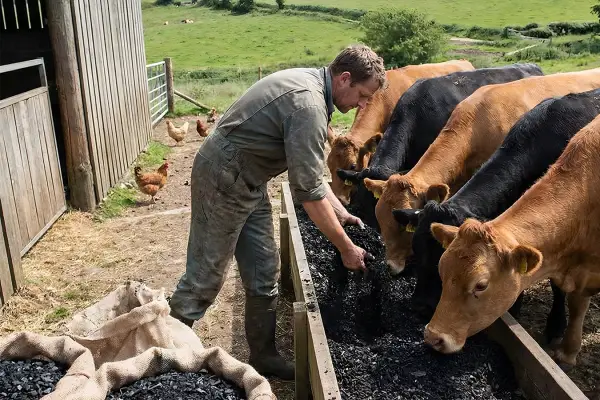
Biochar is used in cattle, sheep, and goat feed programs to support digestive balance and adsorption of unwanted compounds. Its role as an animal feed biochar additive is subtle, but consistent when applied correctly.

dairy operations

Dairy Operations

In dairy systems, biochar is included to support rumen balance and overall feed efficiency. Producers exploring biochar in animal feed value its ability to blend into existing rations without disruption.

poultry & monogastric feed

Poultry & Monogastric Feed

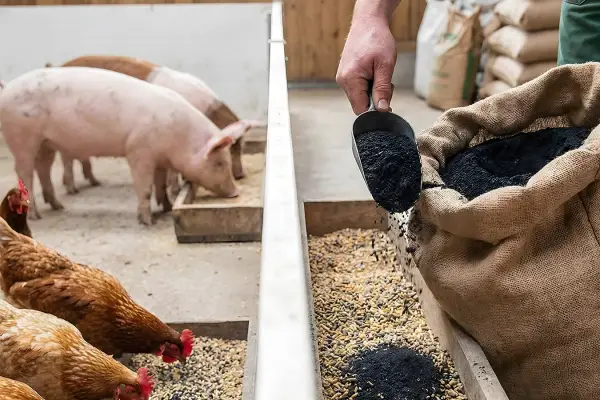
Biochar is increasingly evaluated in poultry and pig feed systems where gut balance and adsorption matter. In these cases, particle size and purity become especially important.

aquaculture systems

Aquaculture Systems

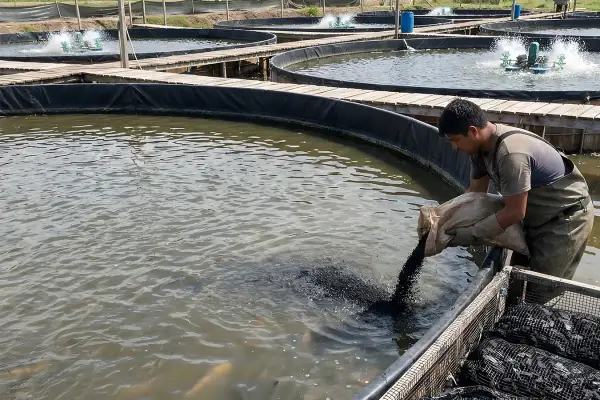
In fish and shrimp farming, biochar is used in feed and water-adjacent systems to support stability and limit the buildup of unwanted compounds.

methane reduction programs

Methane Reduction Programs

Livestock operations exploring methane reduction, biochar use, and feed-grade biochar as part of controlled emission strategies linked to digestion and feed efficiency.

organic & low-input farming

Organic & Low-Input Farming

Biochar is used in organic and low-input systems where synthetic additives are limited. Coconut biochar for livestock feed is often preferred due to its purity and consistent structure.

low-emission carbon for feed applications

Low-Emission Carbon for Feed Applications

Many feed additives rely on resource-intensive production methods that introduce emissions before they reach the farm. Feed-grade biochar offers a different approach. It begins with biomass and converts it into a stable carbon material with multiple functional benefits.

At SoilCarb, this is not framed as a claim. It is a production choice. Feedstocks are selected carefully. Processing conditions are controlled. Emissions are addressed at the source. The result is biochar suitable for livestock feed systems that delivers performance while supporting carbon stability.

This approach aligns with farms and integrators seeking practical improvements without operational disruption. Waste biomass becomes input. Carbon remains stable. Feed systems remain unchanged. For producers under pressure to improve efficiency while reducing impact, this balance matters.

SoilCarb Feed-Grade Biochar Key Benefits

Digestive Stability Support

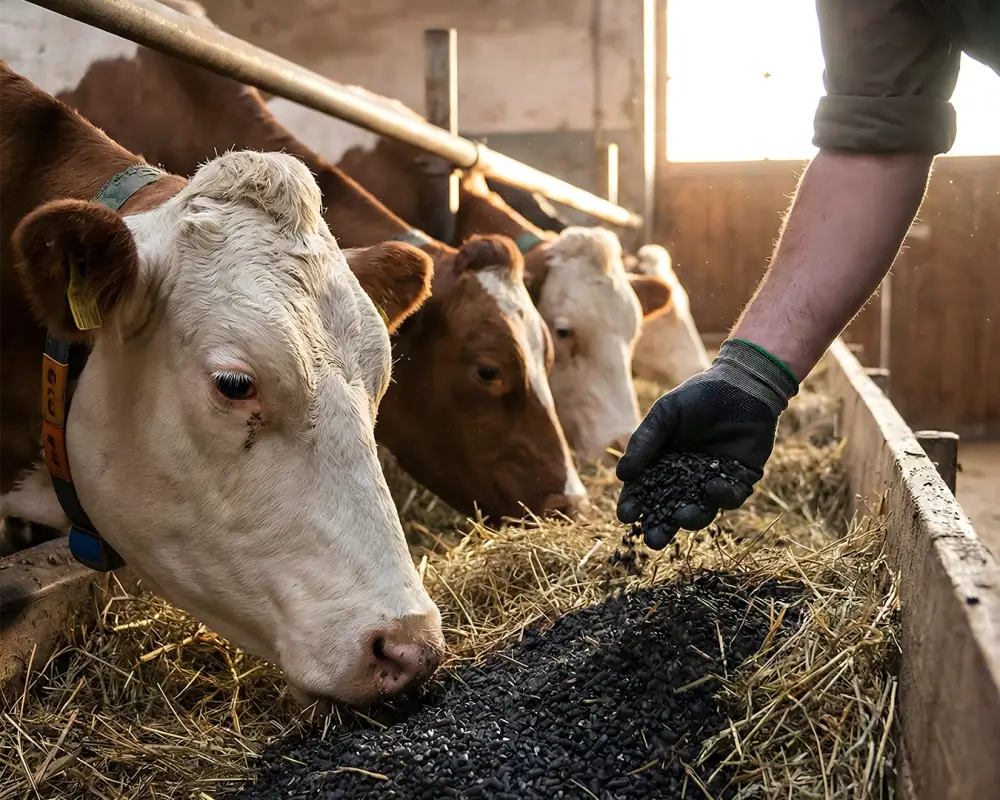
When used as a biochar feed supplement, biochar helps bind unwanted compounds inside the digestive system without interfering with nutrient uptake. This creates a steadier gut environment, particularly in ruminants. Over time, improved digestion can support feed efficiency while reducing stress, without changing existing feed formulations.

better manure quality

Reduced Veterinary Intervention

Healthier digestion and cleaner living conditions often lead to fewer stress-related issues in livestock and pets. Biochar helps by reducing toxin exposure and stabilising gut environments. Farms using animal feed biochar additive programs often report lower dependency on corrective treatments, supporting a gradual reduction in routine veterinary costs.

Better Manure Quality

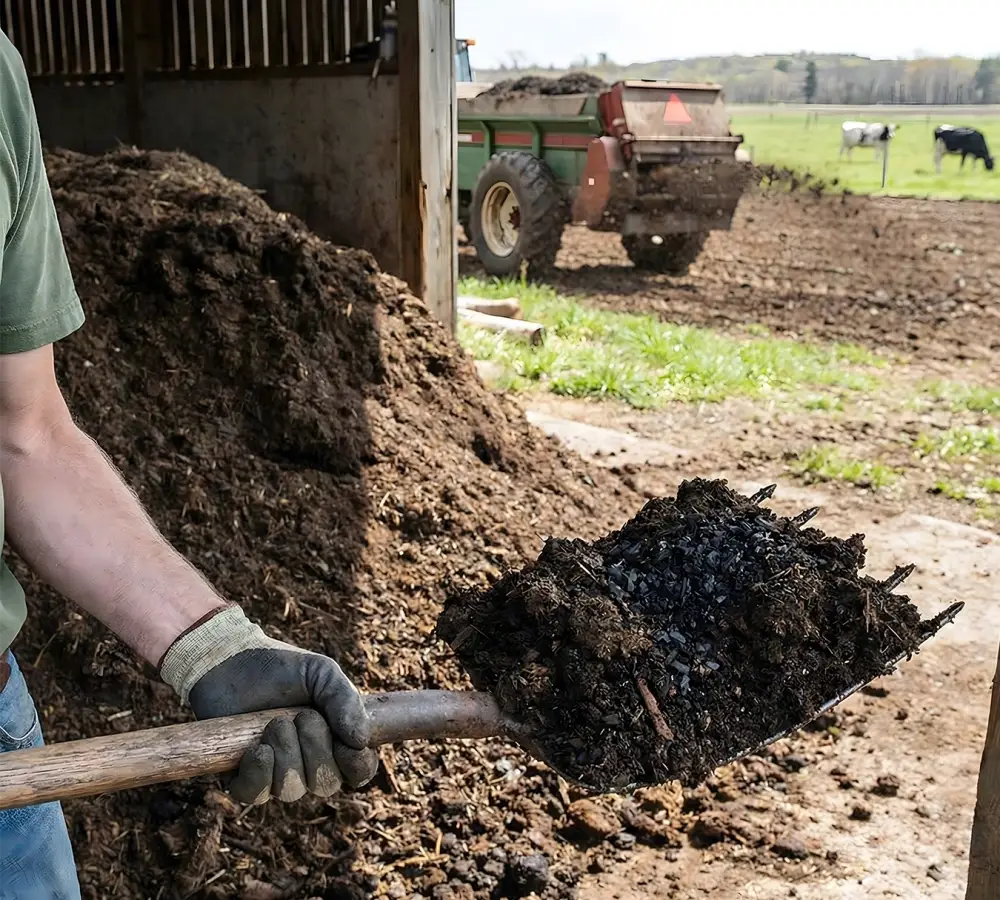
Biochar passes through digestion largely intact, continuing to bind compounds after excretion. This improves manure structure, reduces odour, and supports easier handling and storage. Improved manure quality also benefits soil application later, creating a practical closed-loop advantage for integrated farms.

digestive stability support
reduced veterinary intervention
testimonials

What They Say

What we liked most was the consistency of the material. No dust issues and easy to mix into existing soil. We used it for our vegetable beds and saw steadier plant growth through the season.

Austin, Texas, USA

Rachel Turner

Rachel Turner

Experts

Our challenge here is sandy soil and high heat. After adding this biochar, the soil held moisture longer than before. It did not replace fertilizers, but it definitely improved overall soil condition.

Al Ain, Abu Dhabi, UAE

Saeed Al Nuaimi

Saeed Al Nuaimi

Experts

We tested it inside our greenhouse before committing to bulk use. The soil stayed loose and did not harden after irrigation cycles. The results were stable enough for us to continue using it.

Suwon, Gyeonggi-do, South Korea

Min-Jae Kim

Min-Jae Kim

Experts
Contact Us

Talk to SoilCarb About Feed-Grade Biochar

If you are exploring biochar in animal feed, emission reduction strategies, or alternative feed additives, a clear conversation is the best starting point. SoilCarb works with buyers who need clarity on specifications, sourcing, and suitability.

Tell us about your livestock system, feed process, or program goals. We will help you evaluate material options, feed compatibility, and supply considerations based on real use cases, not assumptions.

Whether your focus is on coconut biochar for livestock feed, methane reduction, or long-term feed stability, we keep the discussion practical and direct.