Skip to content Skip to footer
activated carbon for remediation, pollution control, and soil rehabilitation

The Remediation Standard

Environmental remediation is no longer just about “dig and dump.” Modern protocols require in situ solutions that stabilize contaminants, reduce bioavailability, and restore the land’s ecological function.

SoilCarb acts as a strategic partner to remediation firms and environmental contractors. We understand that a site cleanup plan relies on the predictable performance of materials. You cannot afford variables. That is why we supply biochar soil remediation materials and activated carbon remediation grades that are tested for adsorption capacity, pore volume, and hydraulic conductivity.

Whether you are managing a brownfield redevelopment, a mine reclamation site, or an agricultural zone impacted by chemical drift, our carbon solutions provide the permanent “lock-and-key” mechanism needed to secure pollutants and satisfy regulatory closure requirements.

Activated Carbon for Remediation, Pollution Control, and Soil Rehabilitation

We supply the industrial-grade carbon backbone for large-scale remediation projects. From immobilizing heavy metals in degraded soils to filtering synthetic contaminants from industrial runoff, SoilCarb delivers the technical inputs needed to drive measurable environmental recovery.

Activated Carbon for Remediation, Pollution Control, and Soil Rehabilitation

We supply the industrial-grade carbon backbone for large-scale remediation projects. From immobilizing heavy metals in degraded soils to filtering synthetic contaminants from industrial runoff, SoilCarb delivers the technical inputs needed to drive measurable environmental recovery.

Sector-Specific Applications

mining & land reclamation

Mining & Land Reclamation

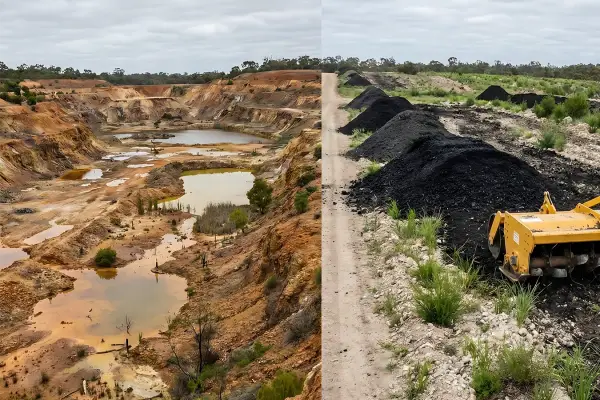
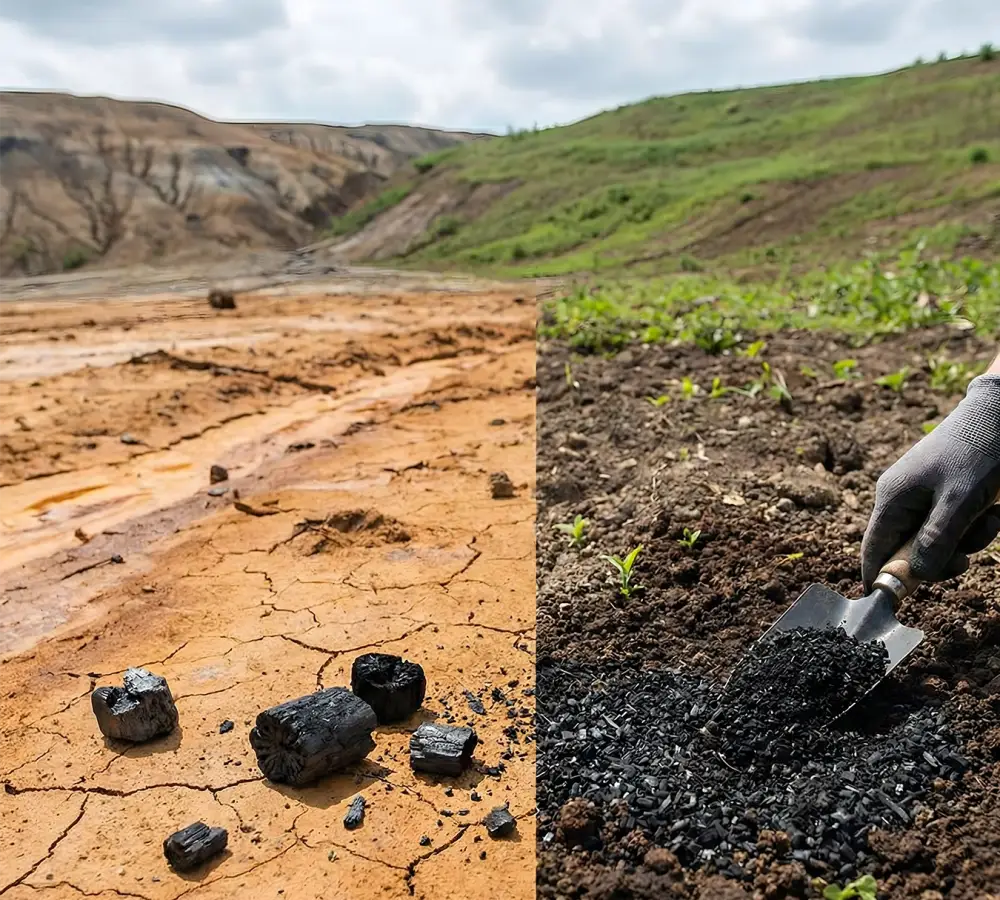
The Challenge: Abandoned mine sites often suffer from extreme acidity and heavy metal toxicity, leading to dangerous runoff.

The SoilCarb Solution: We supply bulk, coarse-grade biochar for tilling into mine tailings. This “cap and fix” strategy reduces the mobility of toxic metals and raises the pH, allowing native vegetation to return and stabilize the surface against erosion.

industrial spill response & brownfields

Industrial Spill Response & Brownfields

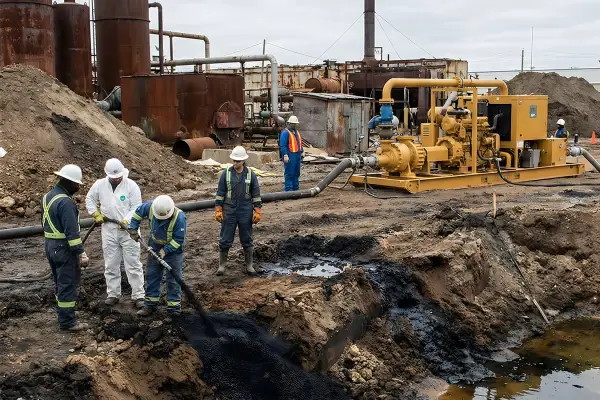
The Challenge: Former industrial sites often contain “hot spots” of VOCs (Volatile Organic Compounds) and oil residues.

The SoilCarb Solution: Activated carbon remediation is the industry standard for vapor intrusion barriers and groundwater treatment. We supply granular activated carbon (GAC) for pump-and-treat systems and slurry injection, effectively stripping contaminants from the subsurface.

stormwater & agricultural runoff

Stormwater & Agricultural Runoff

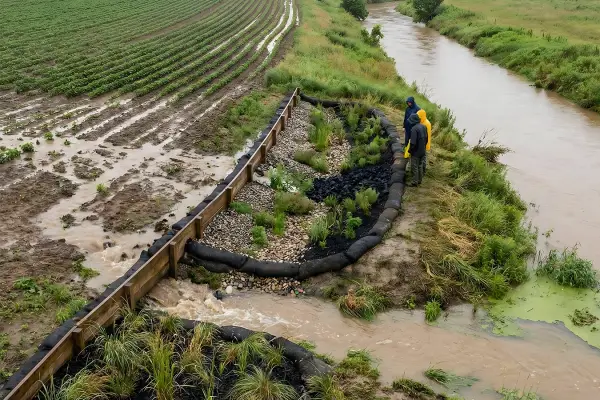
The Challenge: Excess nitrates and phosphates from fertilizer runoff create algal blooms and destroy aquatic ecosystems.

The SoilCarb Solution: Our pollution control biochar is used in filtration swales, rain gardens, and perimeter socks. It physically filters sediment while chemically binding nutrients, preventing them from entering waterways.

pfas & emerging contaminants

PFAS & Emerging Contaminants

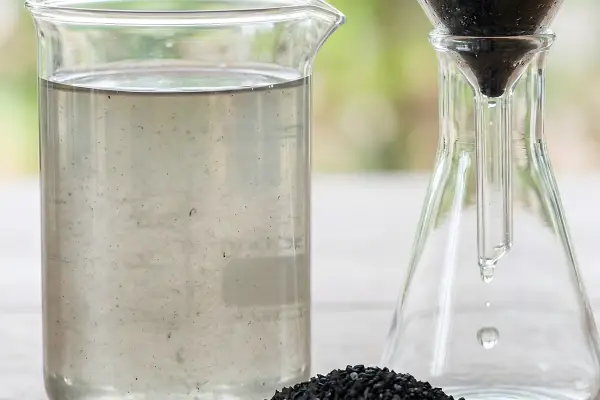
The Challenge: “Forever chemicals” resist natural degradation and require intensive filtration.

The SoilCarb Solution: We offer specialized, high-iodine activated carbon derived from coconut shells. Its unique pore structure is optimized to adsorb small-chain synthetic molecules, providing a critical defense line for water treatment facilities.

the carbon credit advantage

The Carbon Credit Advantage

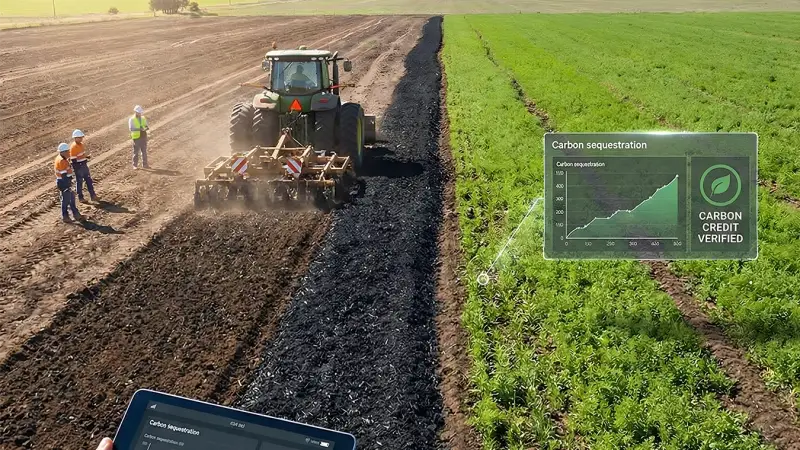
Integrating SoilCarb materials into your remediation project does more than clean the soil; it actively removes carbon from the atmosphere.

Because our biochar is recalcitrant (resisting decay for centuries), its application can qualify as a verified carbon removal sink. This creates an opportunity for remediation firms to offset project costs through carbon credits. By choosing carbon soil solutions benefits, you transform a liability (a contaminated site) into an asset (a carbon sink), aligning your project with global Net Zero goals.

Product Focus: Biochar vs. Activated Carbon

Not every project needs Activated Carbon. SoilCarb helps you engineer the most cost-effective solution.

Feature Industrial Biochar Activated Carbon
Primary Use Soil Amendment & Bulk Remediation Water/Air Filtration & High-Flow Treatment
Cost Profile Economical for large acreages Higher cost, precision applications
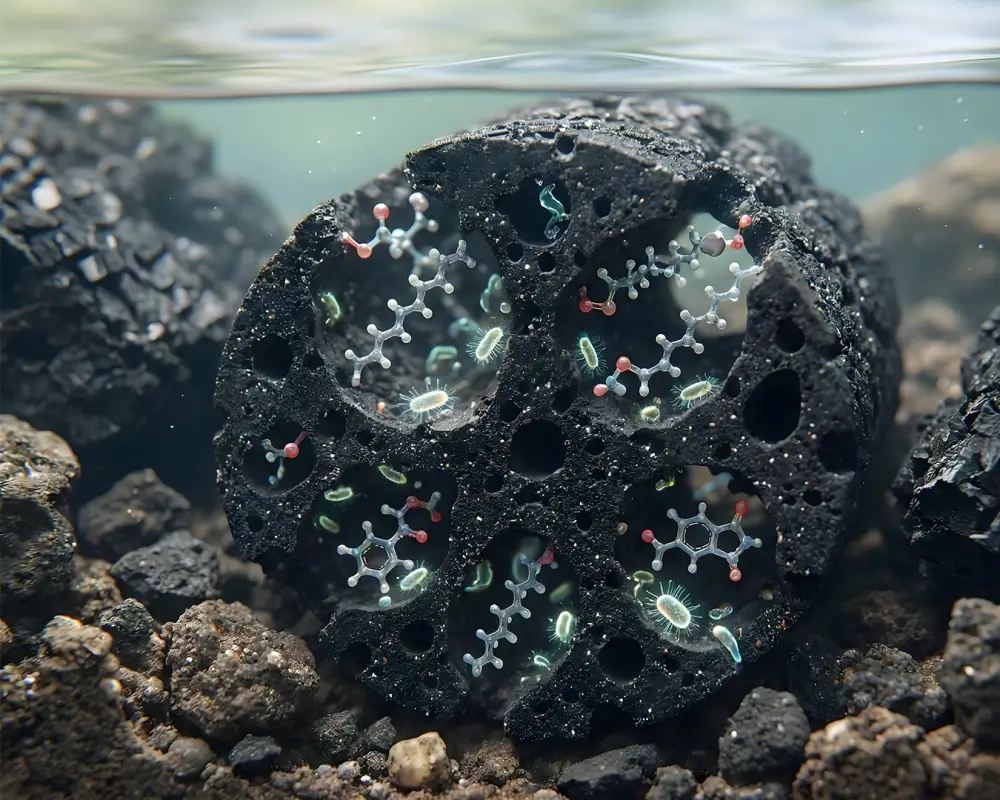
Pore Structure Macro & Mesoporous (Houses microbes) Microporous (Traps molecules)
Key Target Heavy Metals, Nutrients, Soil Acidity VOCs, PFAS, Chlorine, Odors
Longevity Permanent in soil (100+ years) Requires replacement/reactivation

Consultation Note: Many projects benefit from a hybrid approach, using Biochar for bulk soil stabilization and activated carbon for final polishing of water.

Core Mechanisms of Action

Heavy Metal Immobilization

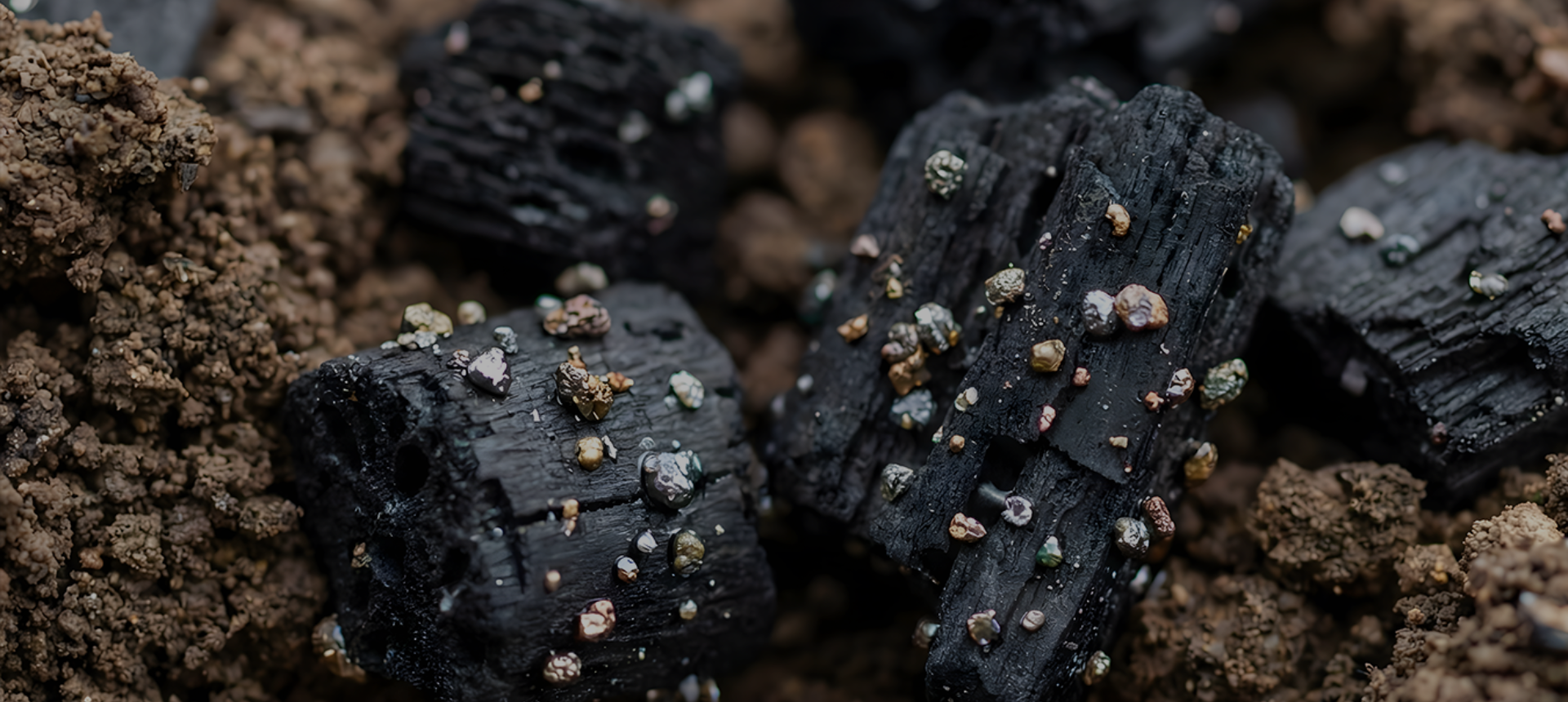
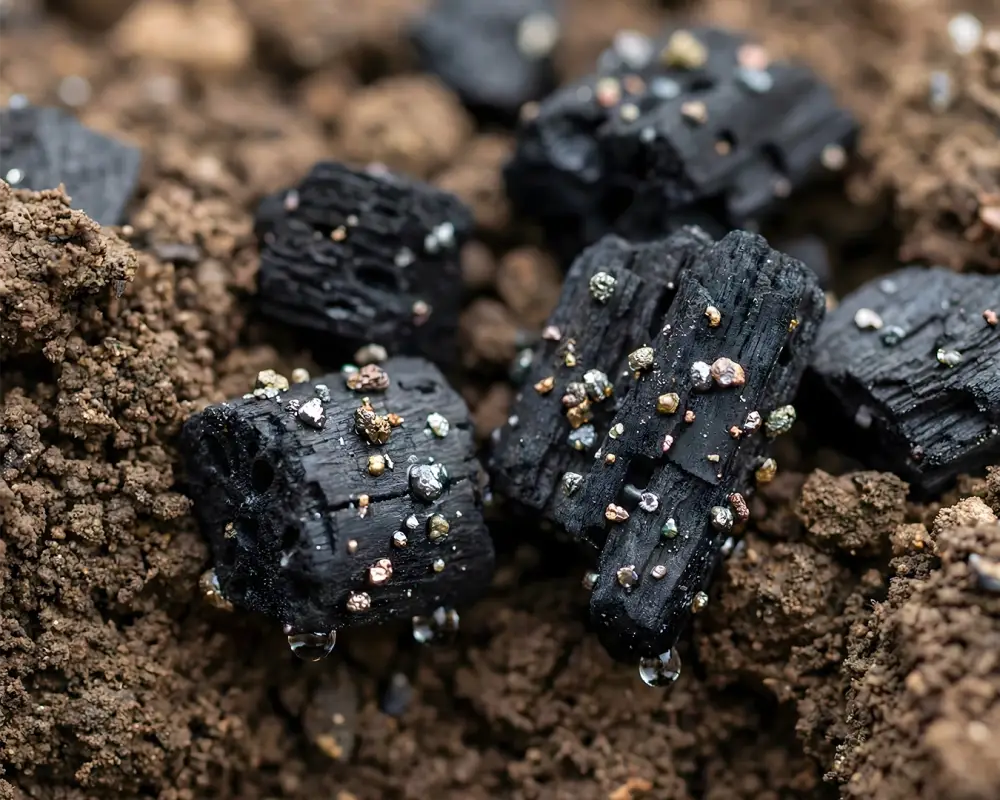
Our high-temperature biochar functions as a powerful sorbent for cationic heavy metals (Lead, Cadmium, Arsenic, Copper). Through electrostatic attraction and surface complexation, the carbon matrix binds free-metal ions, locking them into a stable form that prevents leaching into groundwater or uptake by plant roots.

soil ph & structure correction

Organic Pollutant Adsorption

For sites contaminated with hydrocarbons (TPH), pesticides, or PFAS, pollution control biochar acts as a molecular sponge. The vast microporous surface area traps organic compounds, reducing their mobility and providing a substrate for microbial communities to degrade the pollutants over time (bioremediation).

Soil pH & Structure Correction

Acid mine drainage and chemical spills often leave soils biologically dead. Our alkaline biochar grades serve as long-term liming agents, neutralizing acidity while rebuilding soil aggregate structure. This physical restoration is the first step in re-establishing vegetative cover on barren land.

heavy metal immobilization
organic pollutant adsorption
why environmental engineers choose soilcarb

Why Environmental Engineers Choose SoilCarb

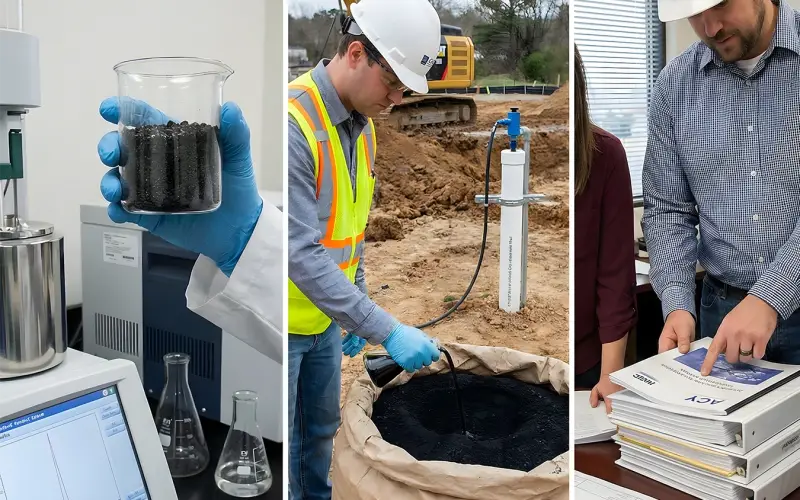
Lab-Verified Adsorption: We don't guess. We provide data on Iodine Number, Methylene Blue Index, and Ash Content to help you accurately model performance.

Heavy Metal Cleanliness: You cannot clean a site with dirty carbon. We certify our material is free from contaminants before it reaches your site.

Regulatory Support: We assist with technical documentation required for EPA, USDA, and local environmental agency approvals.

testimonials

What They Say

What we liked most was the consistency of the material. No dust issues and easy to mix into existing soil. We used it for our vegetable beds and saw steadier plant growth through the season.

Austin, Texas, USA

Rachel Turner

Rachel Turner

Experts

Our challenge here is sandy soil and high heat. After adding this biochar, the soil held moisture longer than before. It did not replace fertilizers, but it definitely improved overall soil condition.

Al Ain, Abu Dhabi, UAE

Saeed Al Nuaimi

Saeed Al Nuaimi

Experts

We tested it inside our greenhouse before committing to bulk use. The soil stayed loose and did not harden after irrigation cycles. The results were stable enough for us to continue using it.

Suwon, Gyeonggi-do, South Korea

Min-Jae Kim

Min-Jae Kim

Experts
Contact Us

Secure Your Site. Verify Your Results.

Do not compromise on the quality of your remediation inputs. Partner with SoilCarb for industrial-grade materials that deliver technical performance and environmental permanence.