Skip to content Skip to footer
sustainable activated carbon for real-world industrial systems

What Is Sustainable Activated Carbon?

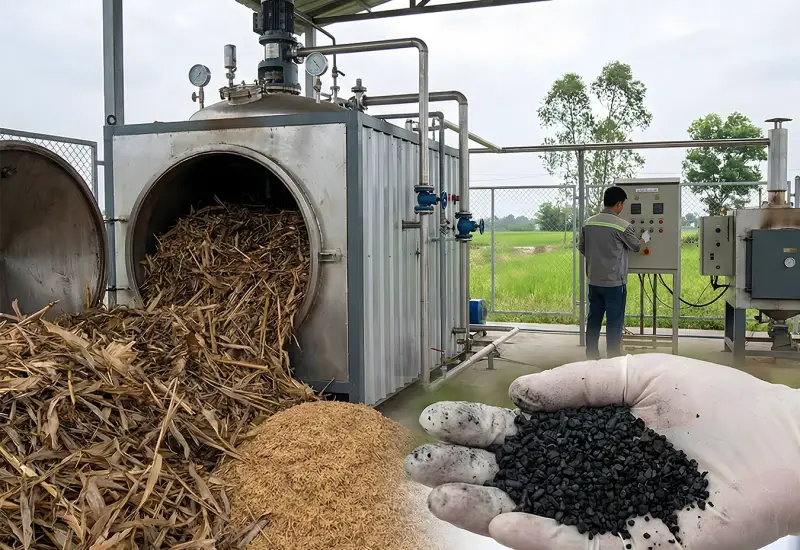
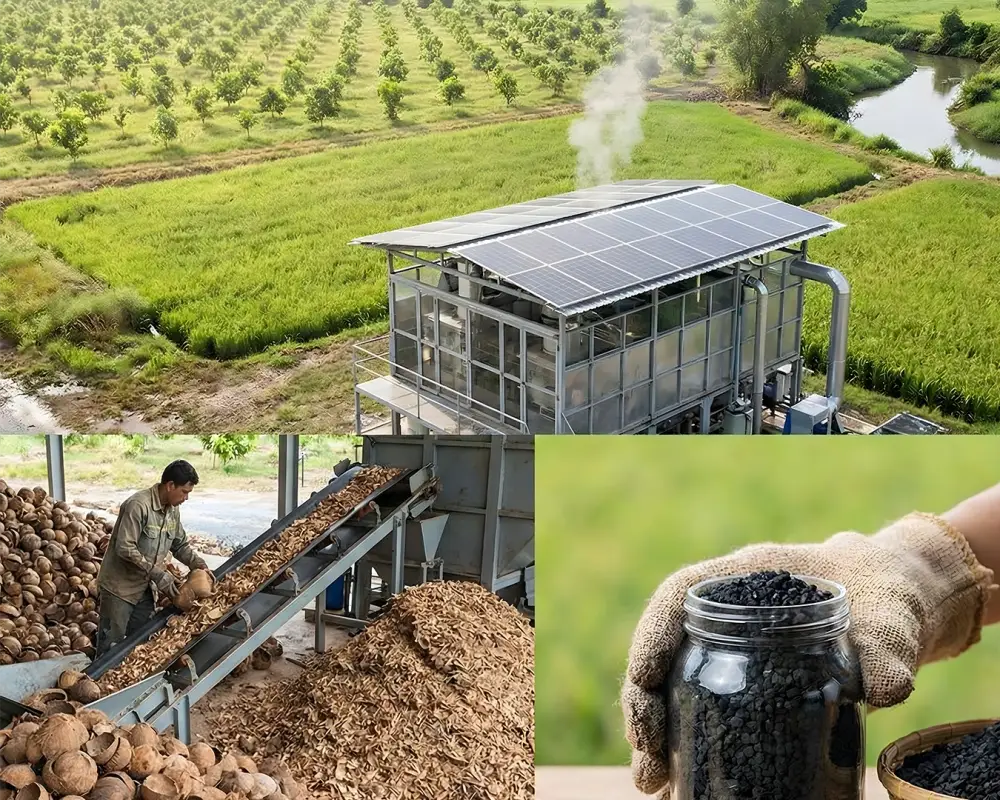
Sustainable activated carbon is a porous carbon material produced from renewable or waste-derived biomass rather than fossil-based sources. Typical feedstocks include coconut shells, rice husks, wood residues, and other agricultural byproducts already in supply chains.

These materials are carbonised and activated under controlled conditions to create high-surface-area, well-defined pore structures. The result is activated carbon capable of adsorbing organic compounds, odours, and chemical contaminants across water, air, and process systems.

Unlike conventional grades, bio-based activated carbon offers clearer traceability. Feedstock origin is known. Processing inputs are controlled. This allows buyers to assess both performance and sourcing without uncertainty. Sustainable activated carbon is already used across industrial filtration, manufacturing, and remediation. When produced to specification, it performs on par with traditional carbon while offering additional sourcing advantages.

Renewable Feedstock Base

Produced from agricultural waste and renewable biomass instead of mined or fossil sources.

Reduced Fossil Dependence

Lower reliance on coal-based inputs supports cleaner upstream supply chains.

High Adsorption Capability

Activation creates pore structures that efficiently capture contaminants.

Industrial-Ready Performance

Designed for integration into large-scale systems without operational changes.

Sustainable Activated Carbon for Real-World Industrial Systems

Activated carbon is a working material. It sits inside filters, columns, and treatment units that run day after day. What is changing is how that carbon is sourced. Buyers are no longer looking only at performance. They are also asking where the material comes from and how it fits into longer-term environmental planning.

Sustainable Activated Carbon for Real-World Industrial Systems

Activated carbon is a working material. It sits inside filters, columns, and treatment units that run day after day. What is changing is how that carbon is sourced. Buyers are no longer looking only at performance. They are also asking where the material comes from and how it fits into longer-term environmental planning.

Performance Characteristics of Bio-Based Activated Carbon

Performance is determined by processing, not by feedstock alone. Sustainable activated carbon can meet industrial requirements when carbonisation and activation are controlled properly. Pore size distribution, surface area, and mechanical strength are all adjustable through processing parameters.

Bio-based carbon can be tailored for specific applications. Some grades are optimised for water treatment. Others are suited for air and gas adsorption. Particle size and hardness influence how carbon behaves under flow and pressure.

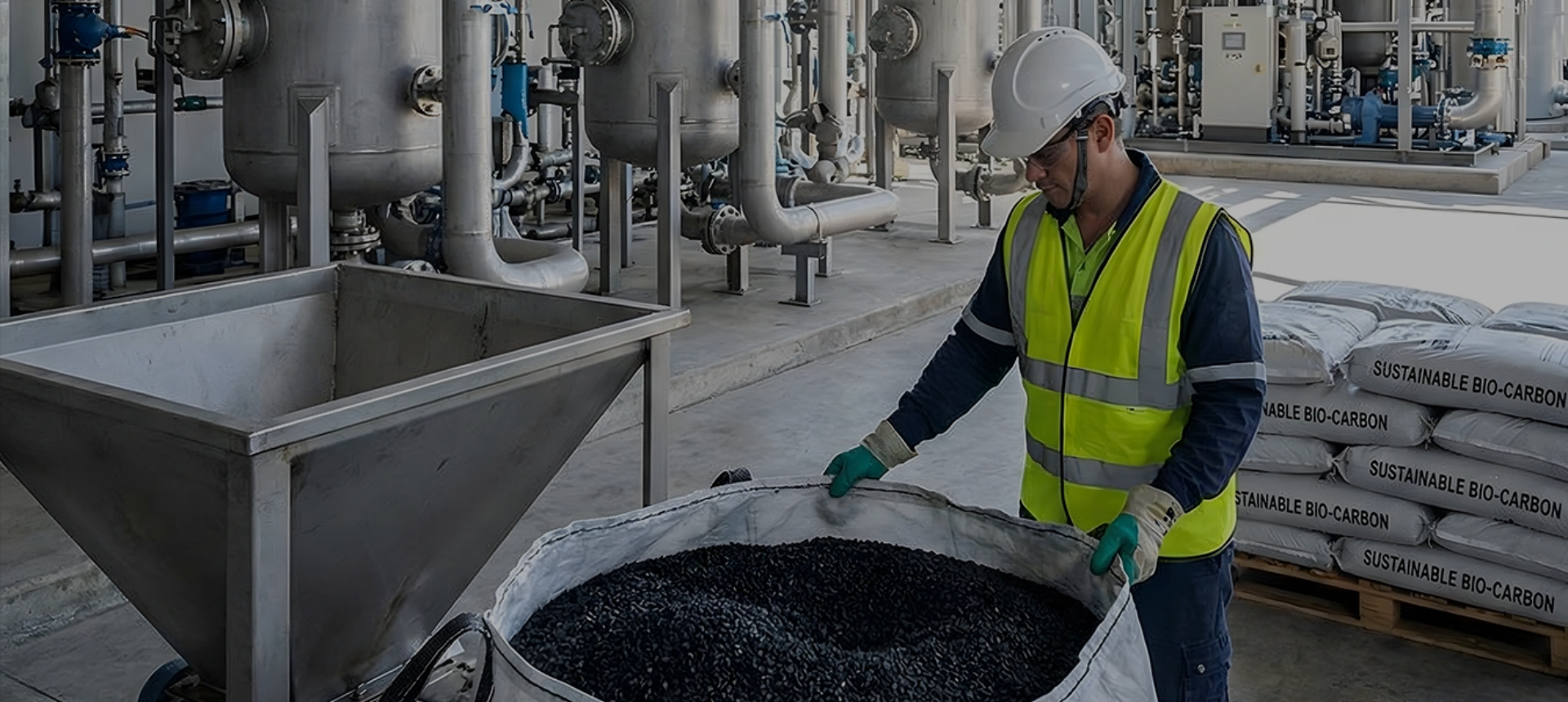
SoilCarb supplies activated carbon from agricultural waste selected for predictable behaviour. Particle sizing, adsorption characteristics, and durability are managed to ensure the material performs consistently once installed.

For industrial buyers, consistency matters more than peak numbers. Sustainable carbon must behave the same way today, next month, and next year. That is what allows it to be trusted in long-term systems.

Where Sustainable Activated Carbon Is Used

water and wastewater treatment

Water and Wastewater Treatment

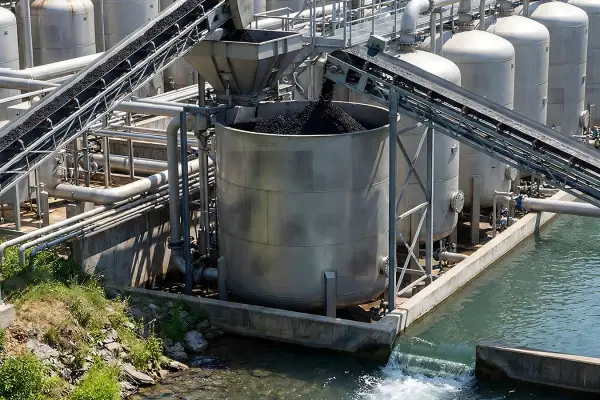
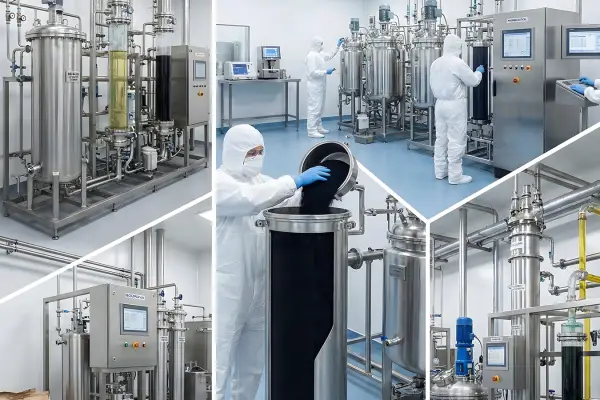
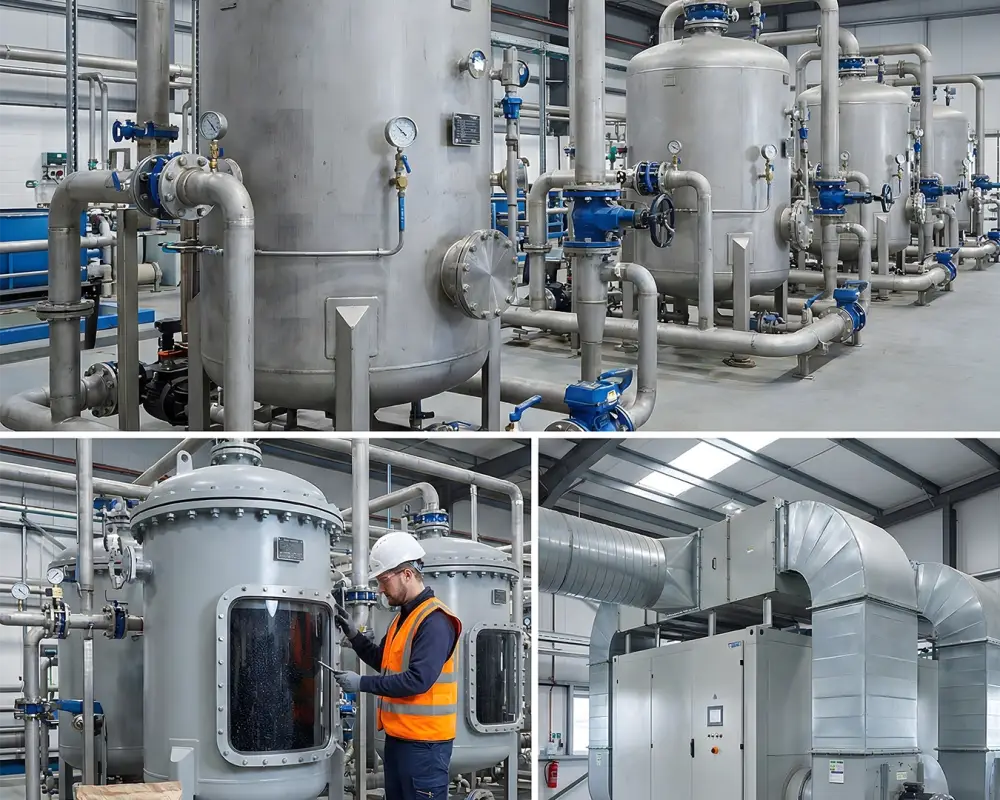
Sustainable activated carbon is used to remove organic compounds, chlorine, and odours from water systems. Municipal and industrial facilities rely on steady adsorption performance. Renewable sourcing supports sustainability goals without affecting flow rates or treatment efficiency.

air and emission control

Air and Emission Control

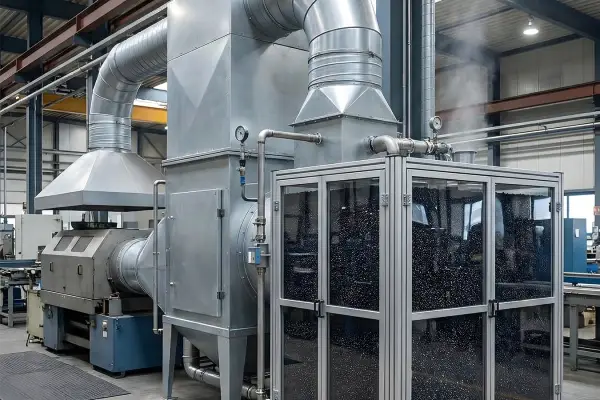
In air purification and exhaust systems, bio-based activated carbon captures volatile compounds and industrial emissions. It operates continuously, making it suitable for ventilation, odour control, and emission treatment in manufacturing environments.

manufacturing and process filtration

Manufacturing and Process Filtration

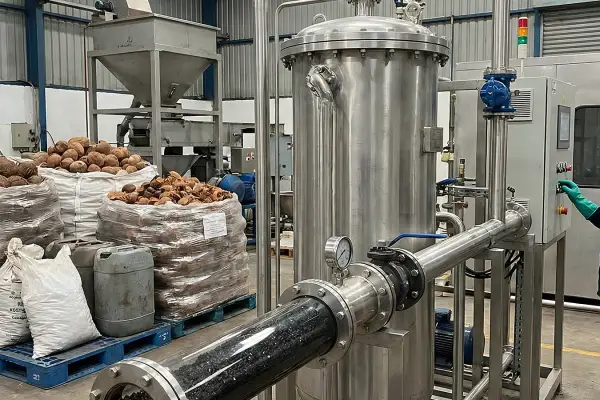
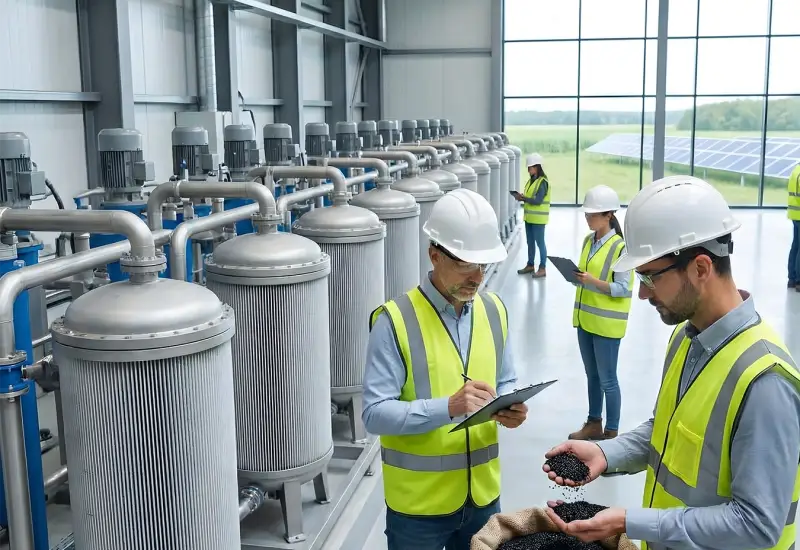
Activated carbon from agricultural waste is used to purify liquids and process streams in manufacturing. Uniform particle sizing and predictable adsorption support reliable filtration without disrupting production flow or equipment performance.

environmental remediation projects

Environmental Remediation Projects

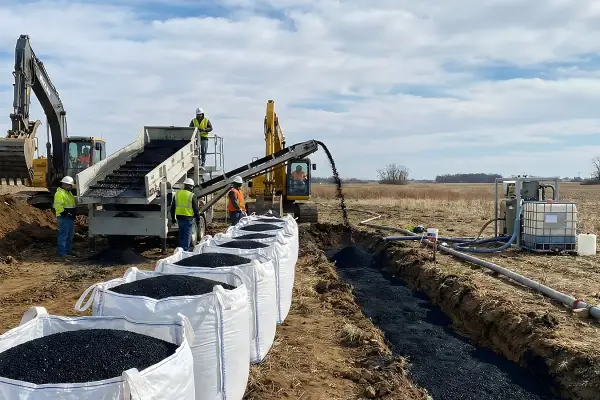
Sustainable activated carbon is used in soil and groundwater remediation to immobilise contaminants and limit migration. These projects often require bulk supply over time, making renewable feedstocks advantageous due to their consistent material performance.

food, pharmaceutical, and chemical processing

Food, Pharmaceutical, and Chemical Processing

In regulated processing environments, bio-based activated carbon supports purification and decolourisation. Traceable sourcing and consistent quality are essential where carbon interacts with sensitive products or intermediate streams.

carbon reduction and offset programs

Carbon Reduction and Offset Programs

Sustainable activated carbon is increasingly evaluated as part of sustainable carbon offset materials strategies where physical carbon inputs support long-term environmental outcomes rather than short-term accounting measures.

responsible carbon production from agricultural waste

Responsible Carbon Production from Agricultural Waste

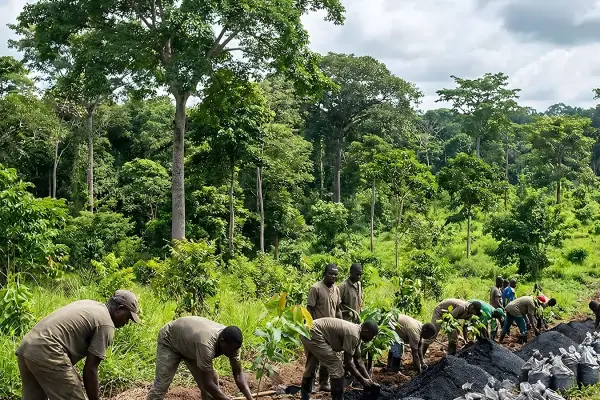
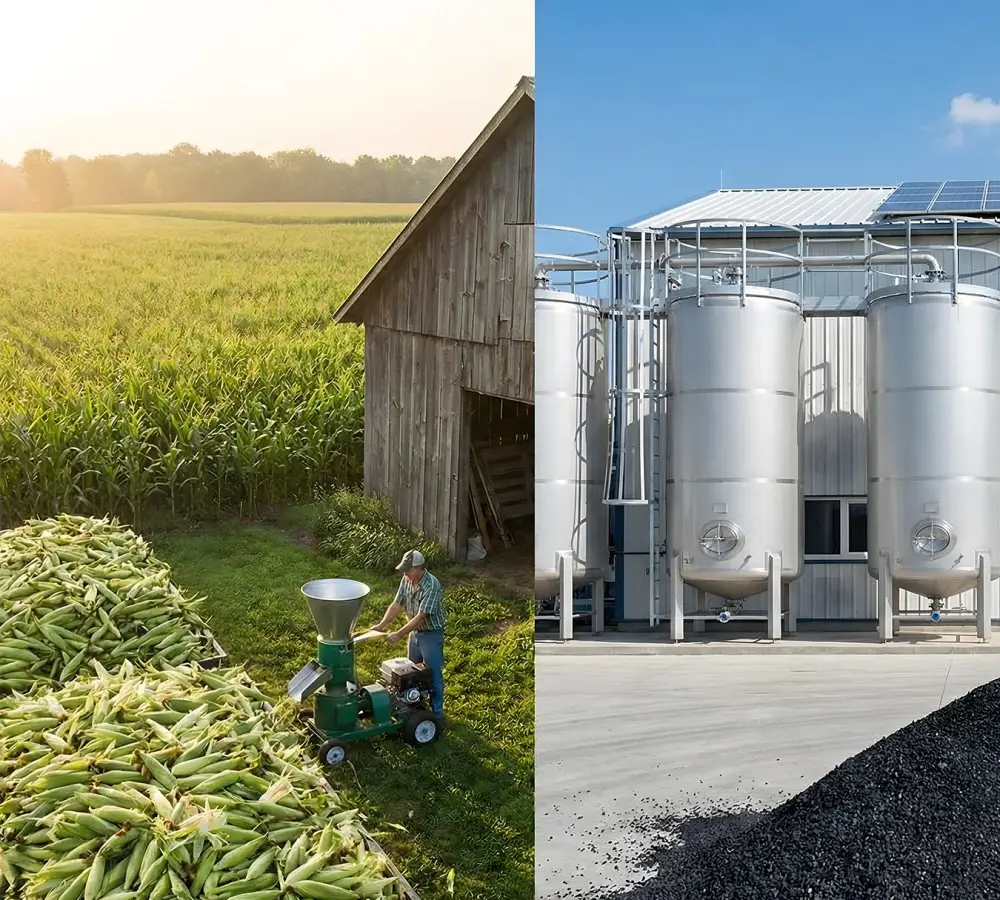
Activated carbon from agricultural waste is derived from materials that are often undervalued. Crop residues and biomass byproducts are redirected for controlled processing rather than disposal or open burning.

At SoilCarb, feedstock selection is deliberate. Carbonisation and activation are managed to achieve performance targets rather than maximise yield. This approach produces carbon that behaves consistently in real systems.

Responsible production shows up in material behaviour. Carbon that performs reliably reduces waste, system disruption, and unnecessary replacement. Sustainability here is practical, not abstract.

SoilCarb Sustainable Activated Carbon Key Benefits

Renewable and Traceable Sourcing

Sustainable activated carbon is produced from agricultural waste and renewable biomass, reducing dependence on fossil feedstocks, helping buyers align procurement decisions with long-term environmental objectives.

lower upstream environmental impact

Industrial-Grade Adsorption Reliability

Bio-based activated carbon delivers reliable adsorption when processed correctly. It performs across water, air, and process filtration systems without requiring changes to infrastructure, operating conditions, or maintenance schedules.

Lower Upstream Environmental Impact

Using activated carbon from agricultural waste reduces mining and fossil extraction. This shift supports cleaner supply chains while maintaining the functional performance expected in demanding industrial applications.

renewable and traceable sourcing
industrial-grade adsorption reliability
sustainable carbon in long-term industrial planning

Sustainable Carbon in Long-Term Industrial Planning

Activated carbon is rarely purchased once. It is part of maintenance schedules, compliance frameworks, and long-term supply agreements. Sustainable activated carbon fits naturally into this planning cycle.

Using bio-based activated carbon allows buyers to meet performance needs while improving sourcing transparency. It also supports future-facing decisions where environmental impact and supply resilience matter as much as cost.

For applications tied to sustainability reporting or environmental programs, durable materials carry more weight than short-term offsets. Sustainable activated carbon supports that shift.

testimonials

What They Say

What we liked most was the consistency of the material. No dust issues and easy to mix into existing soil. We used it for our vegetable beds and saw steadier plant growth through the season.

Austin, Texas, USA

Rachel Turner

Rachel Turner

Experts

Our challenge here is sandy soil and high heat. After adding this biochar, the soil held moisture longer than before. It did not replace fertilizers, but it definitely improved overall soil condition.

Al Ain, Abu Dhabi, UAE

Saeed Al Nuaimi

Saeed Al Nuaimi

Experts

We tested it inside our greenhouse before committing to bulk use. The soil stayed loose and did not harden after irrigation cycles. The results were stable enough for us to continue using it.

Suwon, Gyeonggi-do, South Korea

Min-Jae Kim

Min-Jae Kim

Experts
Contact Us

Talk to SoilCarb About Sustainable Activated Carbon

If you are evaluating sustainable activated carbon for filtration, remediation, or industrial use, the right starting point is a clear conversation. SoilCarb works with buyers who need clarity on performance, sourcing, and long-term suitability.

Tell us about your system and priorities. We will help you assess whether activated carbon derived from agricultural waste aligns with your operational and sustainability goals.

Whether your focus is on performance reliability or sustainable carbon-offset materials, we keep the discussion practical and direct.