
Skip to content Skip to footer
coconut shell charcoal for practical, high-performance

What Is Coconut Shell Charcoal?

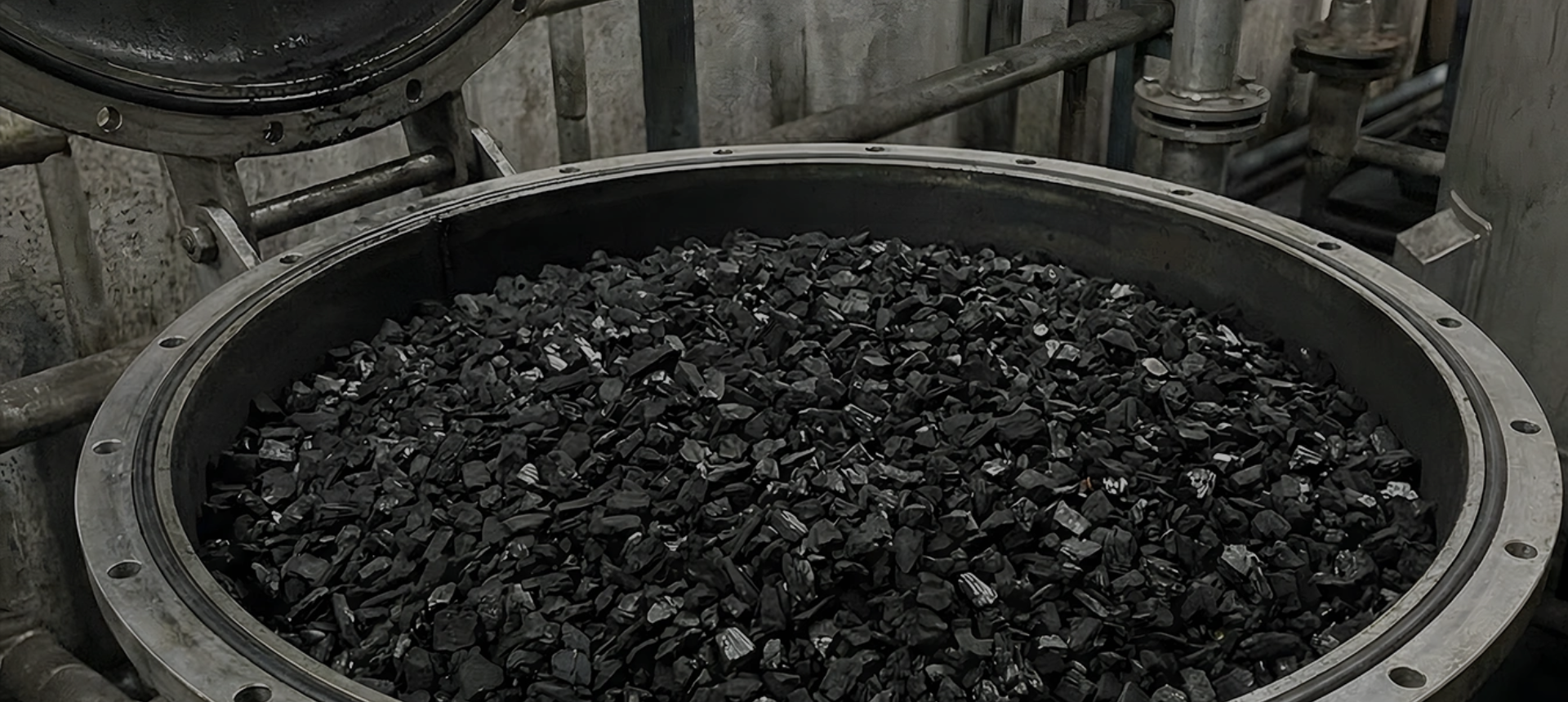
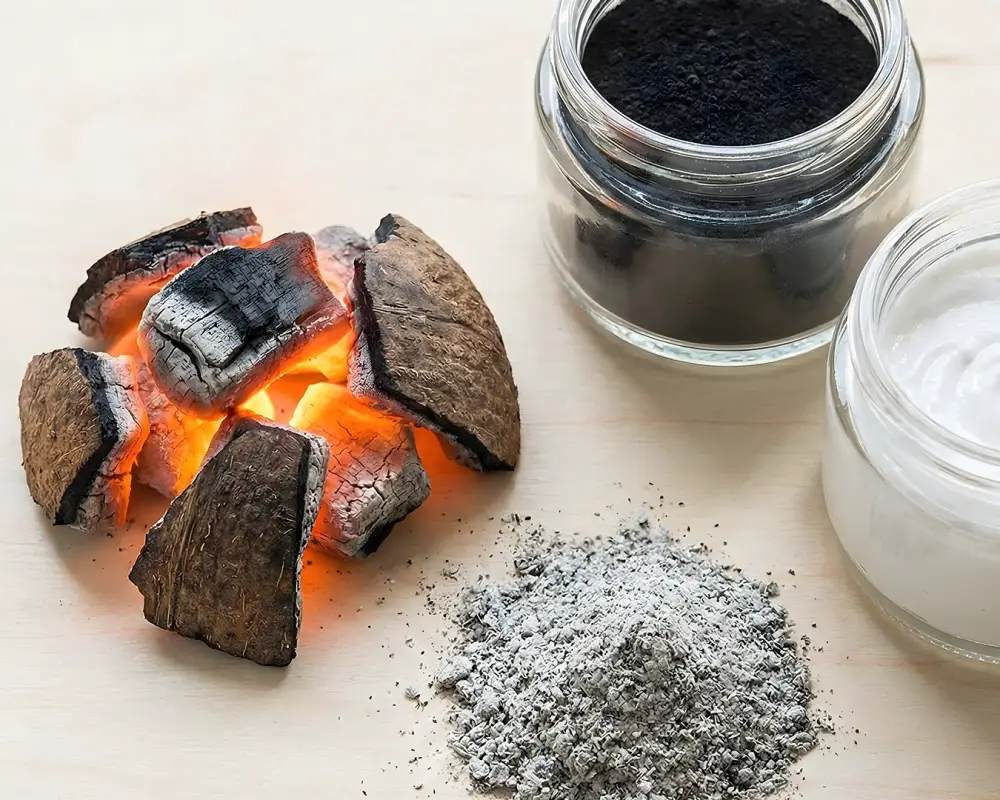
Coconut shell carbon is produced by carbonising dried coconut shells under controlled conditions. Coconut shells are naturally dense and low in ash, which makes them an ideal feedstock for high-quality carbon products.

Unlike softwood or blended biomass carbon, coconut shell carbon forms a harder structure. This structure holds up better during handling, transport, and use. It also forms fine pores upon activation, which is why coconut shell activated carbon is widely used in filtration and purification systems.

Once activated, the carbon develops a large internal surface area. This allows it to efficiently adsorb odours, chemicals, and organic compounds. In many cases, coconut shell–based carbon outperforms other feedstocks, especially where small molecule adsorption is required.

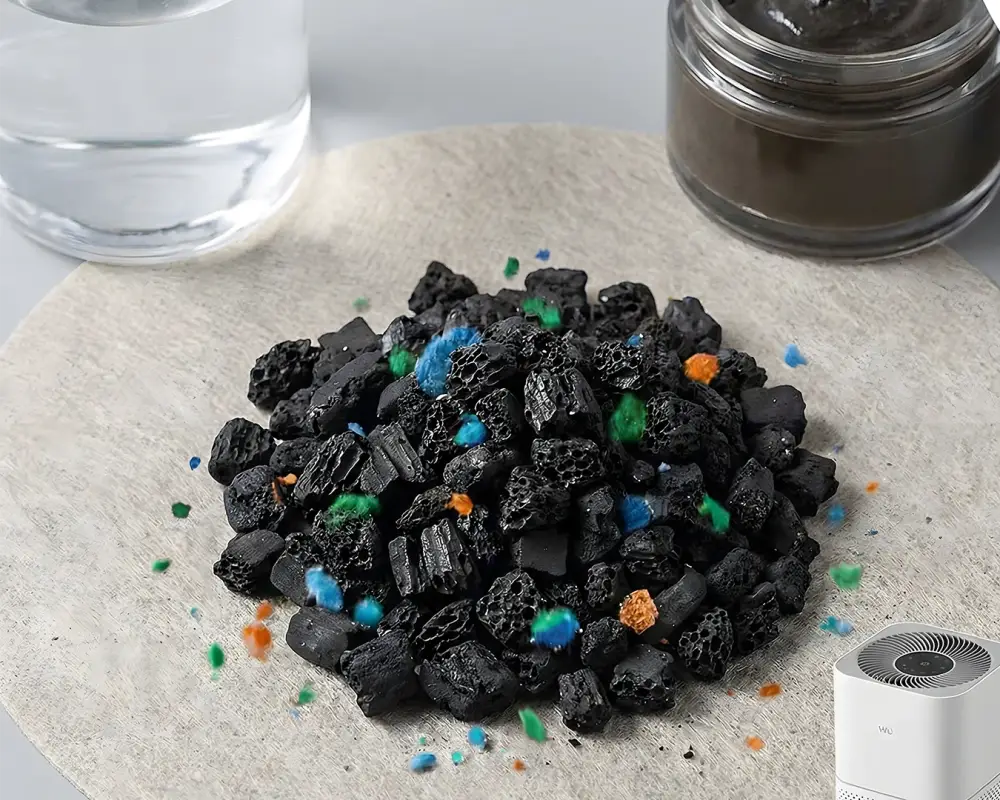
Because of its purity and stability, coconut shell carbon is used not only in industrial systems but also in consumer-facing products. Cosmetics, oral care, and filtration devices all rely on carbon that does not introduce contaminants.

Dense Base Carbon

Coconut shells produce a harder carbon that resists breakdown during use and transport.

High Adsorption Potential

Activation creates fine micropores that enable strong adsorption, particularly in high-iodine-activated carbon grades.

Low Ash Content

Lower ash means cleaner performance, fewer residues, and better suitability for sensitive applications.

Consistent Behaviour

Well-processed coconut shell carbon behaves predictably across batches and applications.

Coconut Shell Charcoal for Practical, High-Performance Use

Coconut shell charcoal has been around longer than most alternatives, and for good reason. It works, not in theory, not in marketing slides, but in real systems where carbon has to perform the same way every day.

Coconut Shell Charcoal for Practical, High-Performance Use

Coconut shell charcoal has been around longer than most alternatives, and for good reason. It works, not in theory, not in marketing slides, but in real systems where carbon has to perform the same way every day.

Structural Behaviour of Coconut Shell Activated Carbon

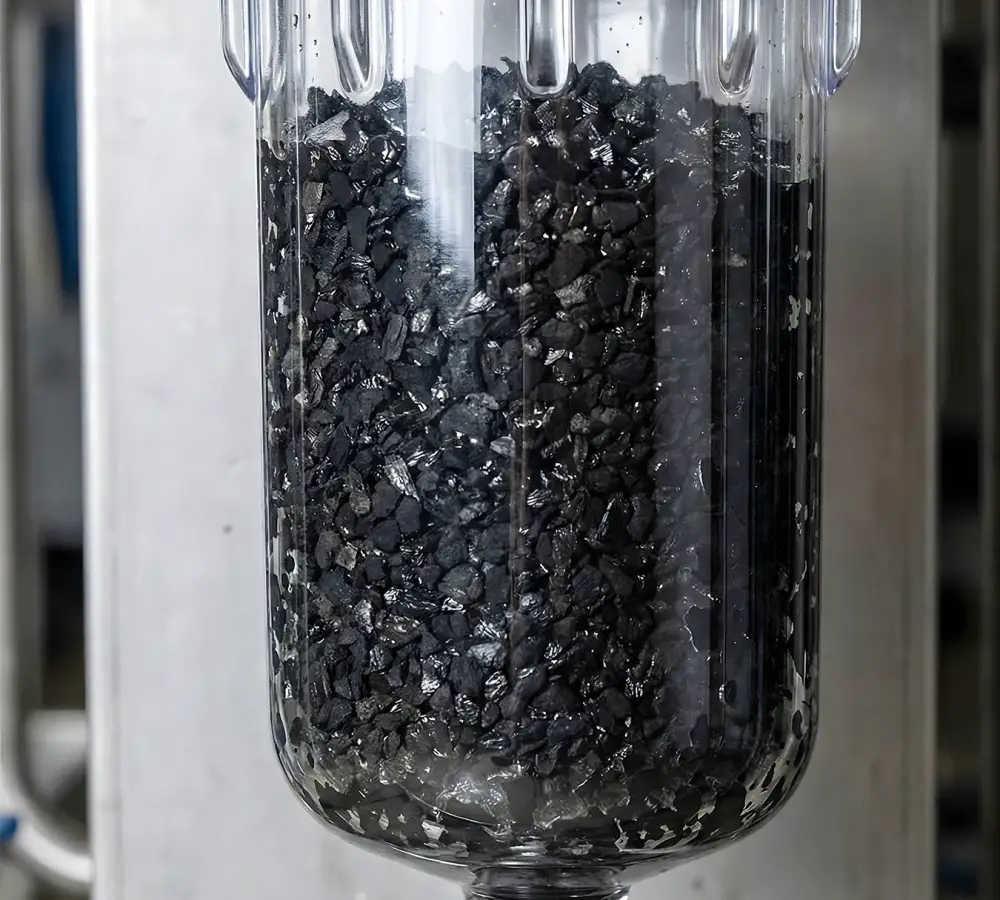
Coconut-shell activated carbon is known for its fine-pore structure. These pores are smaller and more uniform than those in many other feedstocks. That is why coconut shell carbon often shows higher iodine values.

High-iodine-activated carbon is not just a number on a datasheet. It reflects how well the carbon can capture small molecules. In practice, this matters for water filters, air purification systems, and consumer products that require removing subtle contaminants.

The structure also affects how long the carbon lasts. Coconut-shell carbon tends to retain its shape under pressure. It resists abrasion. This reduces fines and dust, which can interfere with systems or affect product quality.

SoilCarb supplies coconut-shell activated carbon that is screened and graded for use. Particle size, hardness, and pore distribution are controlled to ensure the carbon performs as expected in service. This is especially important for applications such as cosmetics and vape filtration, where carbon behaviour must remain stable.

Carbon that breaks down creates problems downstream. Coconut shell carbon, when processed properly, avoids that.

Where Coconut Shell Carbon Is Used

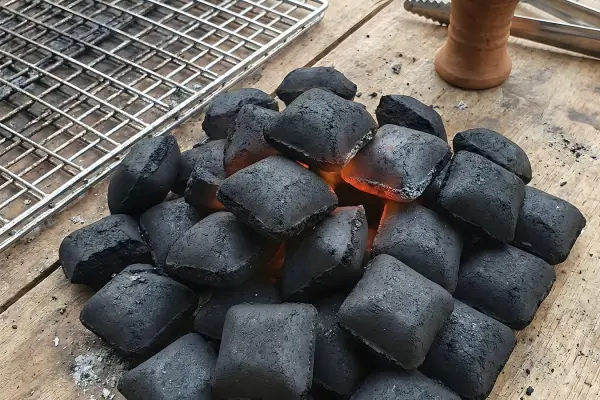
coconut shell charcoal briquettes

Coconut Shell Charcoal Briquettes

Coconut shell charcoal briquettes are used for grilling, hookah, and heating, where a steady burn and low ash content are required. Their dense structure allows longer burn times and more consistent heat. Compared with softer charcoal sources, they produce less residue and retain their shape better during use.

water and air filtration

Water and Air Filtration

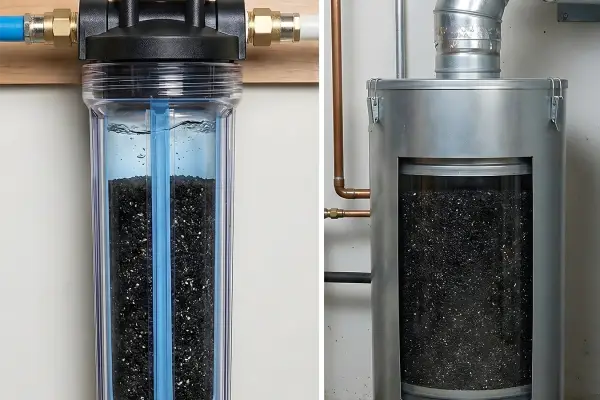
Coconut shell activated carbon is widely used in drinking water filters, air purifiers, and treatment systems. Its fine pore structure supports the removal of odours, chlorine, and organic compounds. Flow remains stable, making it suitable for both household and industrial filtration environments.

cosmetics and personal care products

Cosmetics and Personal Care Products

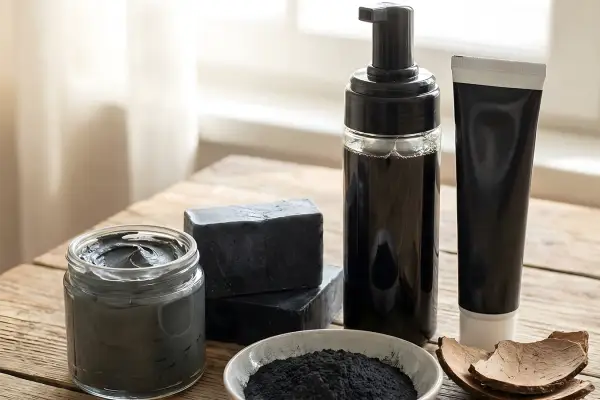
Coconut shell charcoal for cosmetics is used in face masks, cleansers, soaps, and oral care products. Its adsorption ability helps remove surface oils and impurities without harsh abrasion. Purity matters here, which is why coconut shell carbon is preferred in personal care formulations.

vape and consumer filter applications

Vape and Consumer Filter Applications

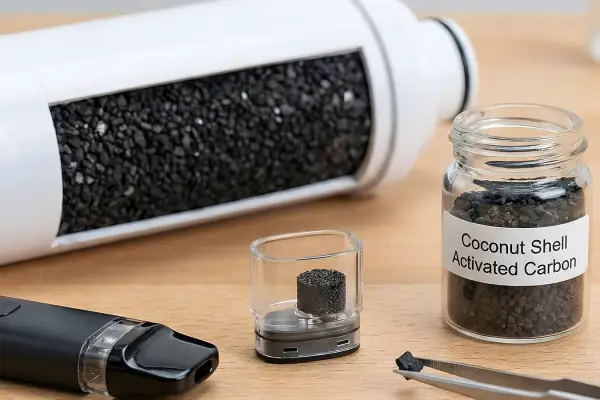
Coconut shell charcoal in vape filters is used to reduce unwanted compounds while maintaining airflow. Carbon quality is critical in these products. It must remain stable, free from fines, and consistent in performance to avoid affecting taste or user experience.

industrial purification systems

Industrial Purification Systems

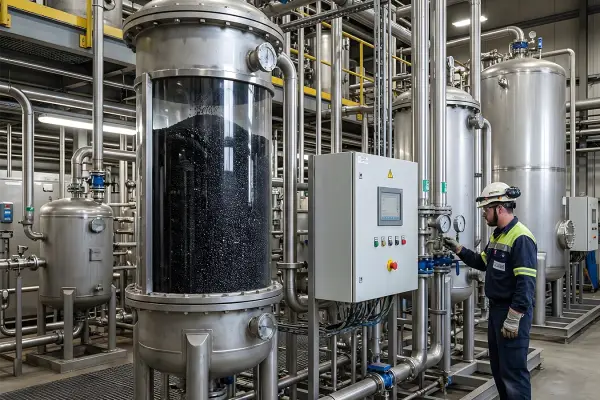
In industrial settings, coconut-shell activated carbon is used in food processing, chemical purification, and emission-control systems. These applications require carbon that performs consistently under continuous operation. Mechanical strength and pore stability are essential for long service life.

high-iodine carbon applications

High-Iodine Carbon Applications

High iodine-activated carbon derived from coconut shells is used where strong adsorption of small molecules is required. These applications often involve precision filtration and strict specifications. Performance depends on controlled activation and consistent material grading.

responsible coconut shell carbon processing

Responsible Coconut Shell Carbon Processing

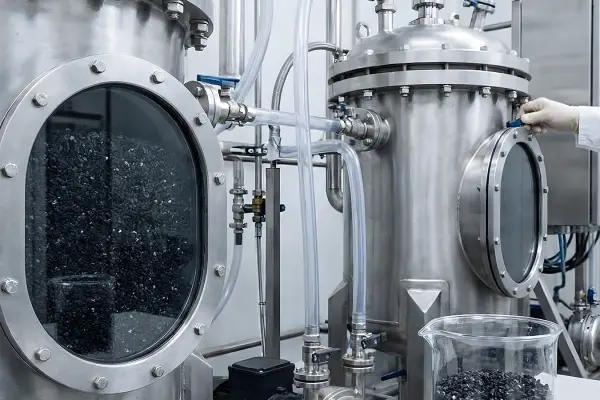
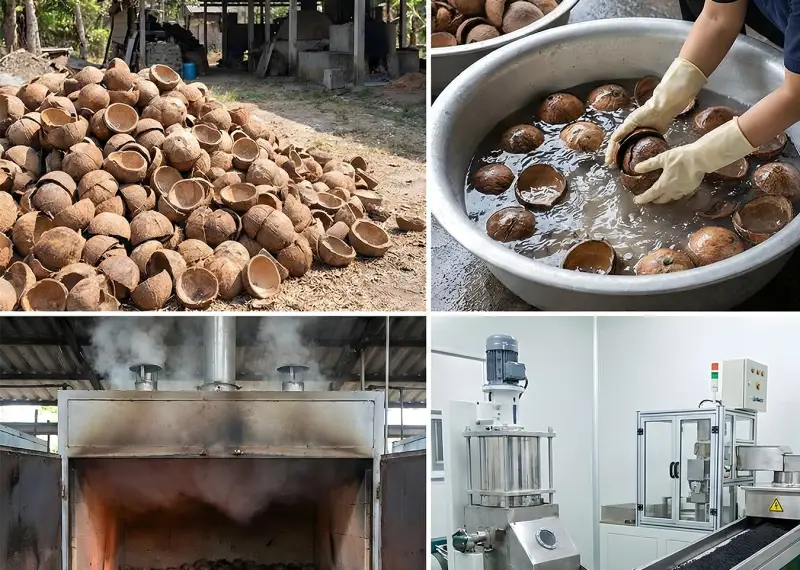
Coconut shell carbon starts as agricultural waste. Coconut shells that would otherwise be discarded are converted into valuable carbon products through controlled carbonisation and activation.

At SoilCarb, processing decisions are made with end use in mind. Shells are cleaned. Carbonisation is controlled. Activation parameters are adjusted based on the desired outcome, not maximum yield.

This approach produces carbon that behaves consistently. It reduces variability. It also reduces downstream waste caused by off-spec material.

Responsible processing is not a label. It shows up in how carbon performs once it leaves the facility.

SoilCarb Coconut Shell Carbon Key Benefits

Strong and Reliable Adsorption

Coconut shell activated carbon offers high adsorption efficiency due to its fine micropore structure. This helps it to capture odors, chemicals, and organic compounds effectively. It performs consistently across filtration, cosmetic, and consumer applications.

mechanical stability in use

Low Ash and Clean Performance

Low ash content reduces residue and contamination risk during use. This supports cleaner operation in filtration systems and makes coconut shell charcoal suitable for cosmetics and oral care products where material purity is essential.

Mechanical Stability in Use

Coconut shell carbon holds its structure during handling and operation. This reduces the generation of fines and helps maintain system performance. Stability is especially important in filters and packed beds where breakdown can affect efficiency.

strong and reliable adsorption
low ash and clean performance
testimonials

What They Say

What we liked most was the consistency of the material. No dust issues and easy to mix into existing soil. We used it for our vegetable beds and saw steadier plant growth through the season.

Austin, Texas, USA

Rachel Turner

Rachel Turner

Experts

Our challenge here is sandy soil and high heat. After adding this biochar, the soil held moisture longer than before. It did not replace fertilizers, but it definitely improved overall soil condition.

Al Ain, Abu Dhabi, UAE

Saeed Al Nuaimi

Saeed Al Nuaimi

Experts

We tested it inside our greenhouse before committing to bulk use. The soil stayed loose and did not harden after irrigation cycles. The results were stable enough for us to continue using it.

Suwon, Gyeonggi-do, South Korea

Min-Jae Kim

Min-Jae Kim

Experts
Contact Us

Talk to SoilCarb About Coconut Shell Carbon

If you are sourcing coconut shell charcoal briquettes, coconut shell activated carbon, or specialised carbon for cosmetics and filtration, the best place to start is a clear discussion.

Tell us how you plan to use the material. Let us know what matters most. Performance, purity, format, or supply continuity.

Whether your focus is high iodine activated carbon, coconut shell charcoal for cosmetics, or coconut shell charcoal in vape filters, we keep the conversation practical and honest.